
Understanding the Importance of a Reliable Roofing System
A roof is one of the most critical components of any commercial property because it protects the structure, equipment, inventory, employees, and daily operations from outside elements. Unlike residential roofing systems, commercial roofs are often designed to cover larger areas and handle different structural requirements. Because businesses depend on safe and functional buildings, maintaining a durable roofing system is an important part of responsible property management.
A properly designed roof does more than block rain and harsh weather. It contributes to energy efficiency, indoor comfort, structural protection, and the overall value of a commercial property. When a roofing system is neglected, small issues can quickly become major concerns, leading to leaks, interior damage, business interruptions, and expensive repairs.
Choosing the right materials, installation methods, and maintenance schedule can significantly improve the performance of a commercial building. Professional planning ensures that the roofing system meets the specific needs of the property while providing reliable protection for many years. Working with experienced specialists helps businesses make informed decisions about repairs, replacements, and long-term maintenance strategies.
Different Types of Commercial Roofing Systems
Commercial properties require roofing solutions that match their design, usage, and environmental conditions. Several types of roofing systems are available, each offering unique advantages and performance characteristics.
Flat roofing systems are commonly used on commercial buildings because they provide practical coverage for large structures. These roofs are designed with slight slopes to support drainage while maximizing usable space. Flat systems can include materials such as single-ply membranes, modified bitumen, and built-up roofing solutions.
Metal roofing is another popular option because of its durability and long service life. Metal systems can withstand harsh weather conditions and require relatively low maintenance when properly installed. They are often chosen for buildings where strength and longevity are important priorities.
Single-ply membrane roofing has become widely used due to its flexibility and efficiency. Materials such as thermoplastic and synthetic membranes provide strong resistance against moisture, chemicals, and environmental exposure. These systems are often selected for their performance and ability to support energy-efficient building designs.
Built-up roofing systems have been used for many years and are known for their layered construction. Multiple protective layers create a strong barrier against moisture and weather damage. This type of roofing can provide excellent durability when installed and maintained correctly.
Green roofing systems are also becoming more common as businesses focus on sustainability. These systems incorporate vegetation and specialized layers to improve insulation, reduce heat absorption, and support environmentally responsible building practices.
The Importance of Professional Installation
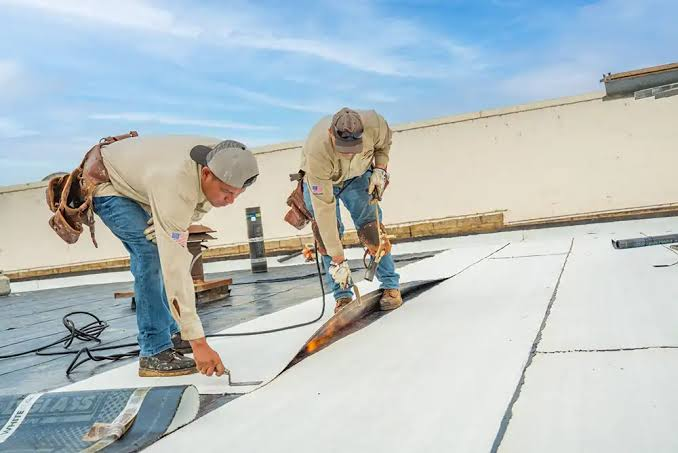
The success of any commercial roofing project depends heavily on the quality of installation. Even premium materials may fail to perform properly if installation methods are incorrect. Professional installation ensures that every part of the roofing system is properly prepared, fitted, and secured.
Before installation begins, a thorough evaluation of the building structure is necessary. Roofing professionals inspect the existing surface, identify potential issues, and determine the best approach for the project. Proper preparation helps prevent future complications and improves overall system performance.
Experienced installers understand the technical requirements of different commercial roofing materials. They know how to handle drainage systems, insulation layers, flashing, seams, and protective coatings. Attention to these details helps reduce the risk of leaks and premature deterioration.
Professional installation also improves safety during the project. Commercial roofing often involves large structures, specialized equipment, and complex procedures. Trained professionals follow appropriate safety practices while completing the work efficiently and accurately.
Common Commercial Roofing Problems
Commercial roofs face constant exposure to weather, temperature changes, and daily environmental stress. Over time, different problems may develop if maintenance is not performed regularly.
Roof leaks are among the most common issues affecting commercial buildings. Water intrusion can damage ceilings, walls, electrical systems, equipment, and stored materials. Even a small leak should be addressed quickly because moisture problems can worsen over time.
Ponding water is another concern, especially for flat roofing systems. When water remains on the roof surface for extended periods, it can weaken materials and increase the risk of leaks. Proper drainage and regular inspections help prevent this issue.
Damaged flashing can also create problems. Flashing protects areas where the roof connects with walls, vents, and other structures. When flashing becomes loose or damaged, water can enter vulnerable areas.
Roof membrane damage may occur due to weather exposure, physical impact, or aging materials. Cracks, punctures, and worn sections can reduce the effectiveness of the roofing system.
Poor maintenance is another major cause of commercial roofing problems. Without regular inspections, minor issues may go unnoticed until they require extensive repairs or replacement.
Benefits of Regular Roof Maintenance
Preventive maintenance is one of the best ways to protect a commercial roofing investment. Regular inspections allow professionals to identify problems early and address them before they become expensive repairs.
Routine maintenance helps extend the lifespan of roofing materials. Cleaning drainage systems, checking seams, inspecting flashing, and repairing minor damage all contribute to better long-term performance.
Maintenance also helps businesses avoid unexpected disruptions. A sudden roofing failure can interrupt operations, damage valuable property, and create safety concerns. Regular care reduces the likelihood of emergencies and provides greater confidence in the building’s protection.
Another benefit is improved energy efficiency. A well-maintained roof can support better insulation performance and reduce unnecessary heat transfer. This can contribute to a more comfortable interior environment and potentially lower energy expenses.
Factors to Consider Before Choosing a Commercial Roofing Solution
Selecting the right roofing system requires careful evaluation of several factors. Building design, climate conditions, budget, maintenance expectations, and long-term goals all influence the best choice.
The size and structure of the building should be considered before selecting materials. Larger commercial properties may require roofing systems designed for extensive coverage and heavy-duty performance.
The expected lifespan of different materials is another important factor. Some roofing options may have a lower initial cost but require more frequent maintenance, while others may provide greater long-term value through durability.
Energy efficiency should also be part of the decision-making process. Roofing materials, insulation options, and reflective coatings can influence indoor temperature control and overall building performance.
Future maintenance needs should not be overlooked. A roofing system that matches the business’s ability to maintain it will provide better results over time.
Repair or Replacement: Making the Right Decision
Commercial property owners often face the decision of whether to repair existing roofing or invest in a complete replacement. The right choice depends on the condition, age, and extent of damage.
Minor issues such as small leaks, damaged flashing, or limited surface damage can often be addressed through repairs. Timely repairs help prevent problems from spreading and protect the remaining roofing system.
However, roofs that have reached the end of their expected lifespan or experienced extensive damage may require replacement. A new roofing system can provide improved performance, updated materials, and greater long-term reliability.
A professional evaluation is essential when making this decision. Roofing experts can assess the condition of the system and recommend the most practical solution based on safety, cost, and future needs.
Improving Business Protection Through Quality Roofing
A strong roofing system contributes to the overall success of a commercial property. It protects valuable assets, supports comfortable working conditions, and helps maintain smooth business operations.
Investing in quality materials and professional workmanship reduces the risk of unexpected problems. A reliable roof allows businesses to focus on their daily activities without worrying about preventable building issues.
A well-maintained roof also improves the appearance and professionalism of a commercial property. Exterior condition influences how customers, employees, and visitors perceive a business. Maintaining the building’s structure demonstrates attention to quality and responsibility.
Final Thoughts on Choosing the Right Commercial Roofing Approach
Commercial roofing is a significant investment that requires careful planning, quality materials, and professional expertise. A durable roofing system protects a building from weather challenges while supporting energy efficiency, safety, and long-term value.
Regular inspections, timely repairs, and proper maintenance are essential for maximizing roof performance. By understanding available options and working with experienced professionals, businesses can make confident decisions that protect their properties.
A well-designed and properly maintained commercial roof provides dependable protection for many years. Through thoughtful planning and proactive care, property owners can preserve their buildings, reduce unexpected costs, and create a safer environment for everyone who uses the space.