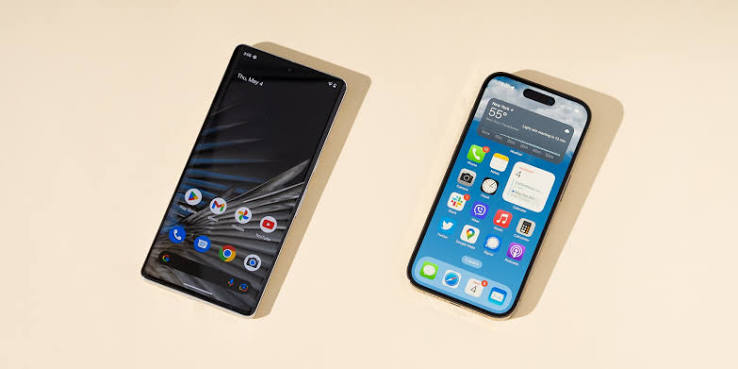

Two players can install the same gaming app on the same afternoon and have completely different experiences — one is at a live table in ninety seconds, the other is fighting permission screens and failed updates. The difference is rarely the app itself. It is the phone’s operating system, and the little quirks each platform brings to installation, security and performance. Here is what Android and iOS users each need to know.
The Android Route: Freedom With Homework
Android’s open model means gaming operators often distribute their apps directly from their own websites, since the public store restricts real-money gaming apps in many countries. Installation involves downloading the package file and granting your browser a one-time permission to install it. The steps on the official tải app 789club download page walk through this safely, and the golden rule is simple: the file must come from the operator’s real domain and nowhere else. Sideloading is a perfectly legitimate feature that becomes dangerous only when the source is a stranger.
Android also gives you control worth using. You can clear the app’s cache when a game misbehaves, restrict background data on a tight plan, and check exactly which permissions the app holds. A casino app needs storage for cached assets and notifications if you want them; it has no business asking for your contacts or call logs, and a request like that is a reason to uninstall and re-download from the official source.
The iOS Route: Walled Garden, Fewer Worries
Apple’s model trades that freedom for curation. Casino apps arrive through the App Store or, in some regions, through an enterprise profile the operator supplies. Installation is a couple of taps, updates arrive automatically, and the system’s sandboxing limits what any app can touch. If you are asked to trust a developer profile in Settings, verify the profile name matches the operator exactly before accepting — the same source-checking instinct as Android, wearing different clothes.
On both systems, platforms like 789 club design their apps to share one account: log in with your existing credentials and your balance, bonuses and game history are already waiting. If an app ever asks you to register a brand-new account to “activate” mobile play, you are looking at the wrong app.
Performance Tuning That Actually Works
Whichever phone you own, a few settings separate a smooth session from a stuttering one. Keep at least a gigabyte of free storage; both systems throttle background work when storage runs dry, and game assets need room to breathe. Close heavy apps before long live-streamed sessions, since a video call running in the background competes for exactly the bandwidth your table needs. On older devices, drop the stream quality in the app’s settings — a stable standard-definition feed beats a high-definition one that freezes during a dealt hand.
Battery deserves a plan too. Live casino streaming is one of the most demanding things a phone does, combining video, constant network traffic and a bright screen. Activate the app’s battery-saver or lite mode on long sessions, and disable automatic brightness if your phone keeps dimming mid-game.
One Account, Two Ecosystems
The reassuring bottom line is that the rivalry matters less than it used to. Whether your pocket holds Android or iOS, the official app route leads to the same tables, the same sportsbook and the same account. Spend your care on the source of the download and a couple of sensible settings, and the phone in your hand becomes the casino in your pocket — exactly as intended.
Before your first real-money session, take two minutes to explore the app’s responsible-play settings as well: deposit limits, session reminders and reality checks are built into every reputable client. Configuring them while you are calm is far easier than hunting for them mid-session, on either operating system.