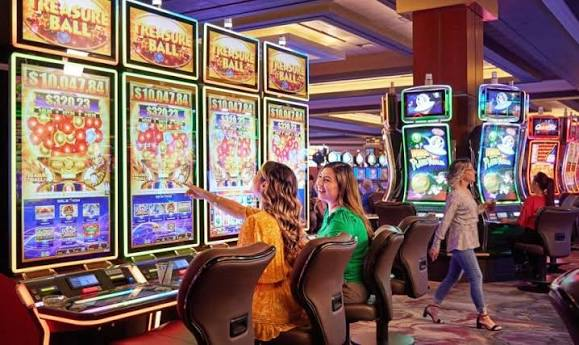
Modern casino slots can look simple on the surface: choose a stake, start a spin, and watch the symbols settle. Underneath that basic action, however, different games can use very different rules, pay structures, bonus systems, and risk profiles. Adults who understand these elements are less likely to make decisions based only on bright visuals or short-term results.
Learning the basics does not create a winning formula. Slot outcomes are based on chance, and no strategy can guarantee profit. The value of understanding the mechanics is different: it helps a player know what they are paying for, recognize how quickly a budget can move, and choose a game style that fits a predetermined entertainment limit.
The Basic Building Blocks of a Slot Game
Most slot games use reels or reel-like columns filled with symbols. A result is created when the game stops and evaluates the symbol combination according to its rules. Some games use traditional paylines, while others use ways-to-win systems, clusters, cascading symbols, or changing reel layouts. The game information screen should explain which method applies.
The stake is equally important. A low-looking number can become significant when spins are repeated quickly. For example, the total cost of a session depends on both the amount per spin and the number of spins. Players should pay attention to the total spent over time instead of focusing only on the size of a single bet.
Paylines and Ways to Win
A payline is a defined pattern across the reels. A winning combination may need to appear on an active line in a specific order. Ways-to-win games can evaluate matching symbols in a different way, often without fixed line patterns. Neither system is automatically better. The important point is to read the rules rather than assuming a familiar design works like another game.
What Volatility Really Means
Volatility describes the general pattern of risk and reward a game is designed to produce. Lower-volatility slots tend to offer more frequent smaller outcomes, while higher-volatility titles may produce longer periods with fewer returns and occasional larger results. Actual sessions can still vary greatly because chance does not follow a schedule.
Understanding volatility can help an adult choose a pace that suits a limited budget. Someone who dislikes long losing stretches may prefer a lower-volatility style, while another player may enjoy the drama of a higher-volatility game. In both cases, the budget should be decided before play, not adjusted after an emotional result.
Why Short-Term Results Can Be Misleading
A player may experience several wins close together or a long series of losses. Neither pattern proves that the game is now ‘hot’ or ‘due.’ Humans naturally look for patterns, especially when money is involved, but random outcomes can produce streaks without creating a predictable next result. This is one reason chasing losses or raising stakes based on intuition is risky.
Bonus Features and Their Real Purpose
Free spins, wild symbols, multipliers, expanding reels, pick-and-win rounds, and cascading symbols are designed to make games more engaging. They can change how a round develops and add variety to the experience. However, a bonus feature should not be treated as a promise of profit. The cost of reaching a feature and the outcome after reaching it can vary.
Some players exploring online slots philippines may focus heavily on bonus rounds because they are visually exciting. A more balanced approach is to consider the whole game: regular stake size, pace, volatility, rules, and total session budget. A feature is only one part of the entertainment, not a financial objective that must be reached at any cost.
Near Wins Are Not Future Signals
Games sometimes display results that appear one symbol away from a large prize. These moments can feel significant, but they do not mean the next spin is more likely to win. Players should avoid interpreting animations, sounds, or almost-complete combinations as advice to continue. The decision to keep playing should come from the original time and spending limits.
The Importance of Game Information
Before placing a real-money bet, open the information or help section. Look for the stake range, symbol values, feature rules, special symbols, and any available explanation of volatility or return information. The exact labels may differ by game, but the purpose is the same: understand the product before paying to use it.
It is also useful to check whether a game allows rapid play, automatic play, or other features that can increase the speed of spending. Faster play does not improve the chance of a favorable outcome. It simply compresses more decisions into a shorter period, which can make it easier to lose track of time and total cost.
Build a Session Around a Fixed Entertainment Budget
A practical budget should be an amount the player can lose completely without affecting essential expenses or financial goals. Once the amount is set, divide it mentally or physically before starting. Choosing a lower stake can extend a session, but it does not change the underlying possibility of loss. The objective should be to control the cost of entertainment, not to engineer a guaranteed return.
Use Time Limits as Well as Money Limits
Money is not the only resource spent during a gaming session. Time matters too. A person can remain within a small financial limit but still lose sleep, miss responsibilities, or spend far longer than intended. Setting an alarm or session reminder helps protect the rest of the day. When the timer ends, taking a genuine break is healthier than immediately restarting.
Common Myths Worth Leaving Behind
Several beliefs can lead to poor decisions. A long losing streak does not force a future win. A recent jackpot does not prove that a game will stop paying. Switching devices does not change the mathematics of a game. Increasing the bet after losses is not a recovery plan. And a player cannot control random results through timing, tapping patterns, or lucky rituals.
Myths are appealing because they create a feeling of control. Responsible play requires accepting the opposite: outcomes are uncertain. Once that fact is clear, the most sensible controls are the ones the player actually has – the choice of stake, the length of the session, the total budget, and the decision to stop.
Final Perspective
Modern slot games combine mathematics, visual design, sound, and interactive features to create fast entertainment. Understanding paylines, volatility, bonuses, and session speed can make the experience easier to evaluate, but it cannot remove financial risk. The strongest knowledge is knowing what the game can and cannot do.
Adults who treat slots as paid entertainment, read the rules, use fixed limits, and avoid chasing losses are better positioned to stay in control. The moment a game begins to affect essential money, relationships, work, sleep, or emotional well-being, stepping away is more important than any result on the screen.