
Walk into a hospital on a weekday evening, and you will often see a packed waiting area. Some people are there for serious problems, but many are dealing with things like fever, cough, or stomach pain. Others are waiting only for routine blood tests. Everyone sits in the same line, often for hours.
Hospitals are essential when someone needs urgent treatment. But many everyday health issues do not always require a hospital trip. In these cases, a doctor at home can help patients get medical advice without entering a busy hospital environment.
When this option is used for the right situations, it helps patients receive care sooner and keeps hospitals from becoming unnecessarily crowded.
Why Hospitals Become So Busy
Hospitals are built to treat serious conditions such as injuries, severe infections, or complications that require specialized equipment. Yet a large number of visitors arrive with mild or moderate symptoms.
There are simple reasons behind this.
People often go to hospitals because of the following reasons:
- They are unsure how serious their symptoms are
- Nearby clinics may be closed
- They want quick reassurance from a doctor
- Routine tests are easier to arrange in hospitals
- People believe home-based care is not reliable
Because of this, emergency rooms and outpatient areas fill up with patients whose problems could often be managed outside a hospital.
A doctor on call service gives people another option when they need quick medical advice but do not necessarily need hospital treatment.
How Doctor at Home Services Help Reduce Hospital Visits
Many illnesses begin with small symptoms. Someone may develop a headache, a sore throat, or a mild fever. The problem might not be serious, but it still causes concern.
Without easy access to medical advice, people often decide to visit a hospital just to be safe.
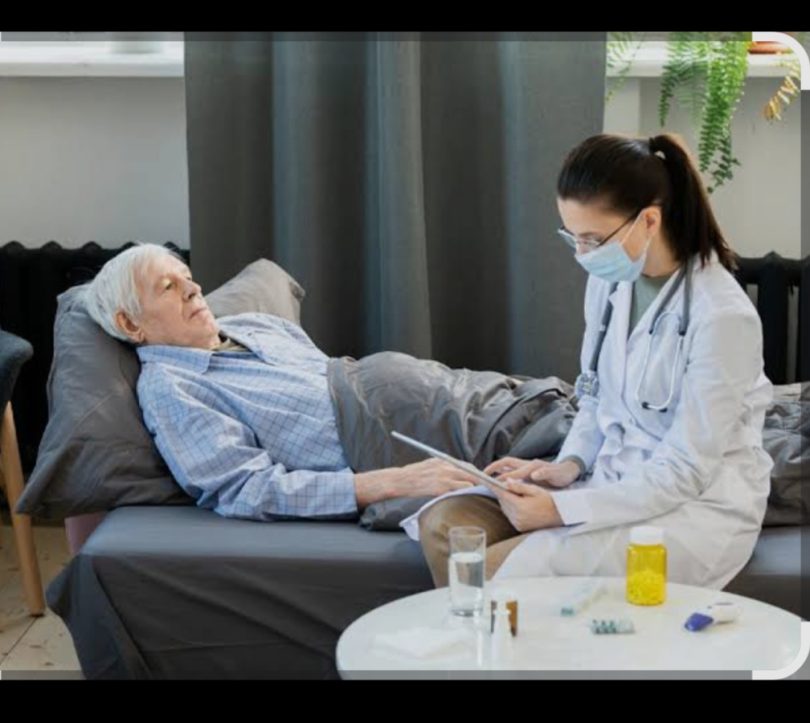
A doctor at home visit can handle many of these situations. The doctor examines the patient, checks symptoms, and decides whether hospital care is actually needed.
In many cases, treatment can begin right away at home.
Situations where home consultations often prevent hospital visits are as follows:
- Seasonal flu or mild fever
- Stomach infections or food poisoning
- Headaches that need medical evaluation
- Minor breathing issues, such as cough or congestion
- Follow-up checks after a recent illness
When patients receive care early, many of these problems improve without hospital treatment.
Early Care Prevents Bigger Problems
Delays in care are another factor contributing to hospital overcrowding. Because it takes time to attend a clinic, many people initially ignore symptoms.
Later, when the symptoms worsen, they finally decide to go to the hospital.
Access to a doctor on call can change this pattern. When medical advice is easier to arrange, people are more likely to seek help sooner.
Early care often stops small problems from becoming serious ones. A few examples are as follows:
- Infections can be treated before they spread
- Dehydration can be managed before it becomes severe
- Mild respiratory symptoms can be checked early
Small medical steps at the right time can prevent bigger problems later.
Routine Testing Without Hospital Visits
Many hospital visits happen for one simple reason: laboratory testing. Patients travel to medical centers just to give a blood sample or complete routine screening.
Home testing services now make this easier.
With a lab test at home, a trained technician visits the patient, collects the sample, and sends it to a certified lab. The results are then shared through a report once the analysis is complete.
Common examples include the following:
- Blood sugar testing
- Cholesterol checks
- Vitamin level screening
- Infection tests
- Routine health monitoring
When lab tests at home are available, patients do not need to spend hours traveling and waiting for simple procedures.
A More Comfortable Option for Older Adults
Hospital visits can be especially difficult for older adults. The following can quickly become exhausting for them:
- Long waiting times
- Crowded spaces
- Travel
Many seniors also need regular health checks because of ongoing conditions.
A doctor at home visit allows these consultations to happen in a calmer environment. The doctor can review symptoms, check vital signs, and adjust treatment plans without requiring the patient to travel.
For many families, this approach makes regular care easier to maintain.
Parents Often Face the Same Challenge
Families with young children frequently deal with sudden illnesses. A child may develop a fever at night or complain about stomach pain during the weekend.
Parents often choose the hospital because they want fast reassurance.
A doctor on call visit can provide that reassurance without the long wait. The doctor evaluates the child and explains whether the illness is mild or needs further medical attention.
If the symptoms suggest something serious, the doctor can recommend hospital care immediately. If not, the child can recover comfortably at home.
Hospitals Can Focus on True Emergencies
When fewer patients visit hospitals for minor issues, medical staff can give more attention to people who need urgent care.
Reducing unnecessary hospital visits helps in several ways:
- Emergency departments become less crowded
- Doctors can focus on severe cases
- Waiting times become shorter
- Hospital resources are used more effectively
Patients with serious conditions benefit the most because they receive faster treatment.
Preventive Care Becomes Easier
Regular health checks are important for preventing serious illness. Unfortunately, many people delay testing because clinic visits feel time-consuming.
Home diagnostic services help solve this problem.
With lab tests at home, patients can complete routine screenings without interrupting their daily routine. When testing becomes easier, people are more likely to stay consistent with it.
Routine screening can detect issues such as:
- High cholesterol
- Early signs of diabetes
- Vitamin deficiencies
- Certain infections
Finding these problems early often reduces the need for hospital treatment later.
A Simple Change That Helps the Whole System
Hospitals will always play a central role in healthcare. They provide emergency care, advanced treatment, and specialized medical support.
At the same time, not every health concern needs hospital facilities.
Services like a doctor at home, home consultations, and a lab test at home allow patients to handle many health issues earlier and more comfortably. Some healthcare providers, including MyDoctor Healthcare, support this approach by offering medical services that reach patients outside traditional hospital settings.
When minor problems are handled sooner, and routine testing becomes easier, hospitals stay less crowded. Patients receive quicker advice, and medical resources remain available for those who truly need urgent care.