
Introduction
In modern industrial and laboratory environments, precision and efficiency are critical for producing high-quality materials. Whether it’s rubber vulcanization, plastic molding, or chemical sample preparation, the right equipment plays a decisive role in ensuring consistent results.
One of the most essential tools used in these processes is the laboratory press. Designed for controlled pressure and temperature applications, lab presses are widely used across research labs, manufacturing units, and quality control departments.
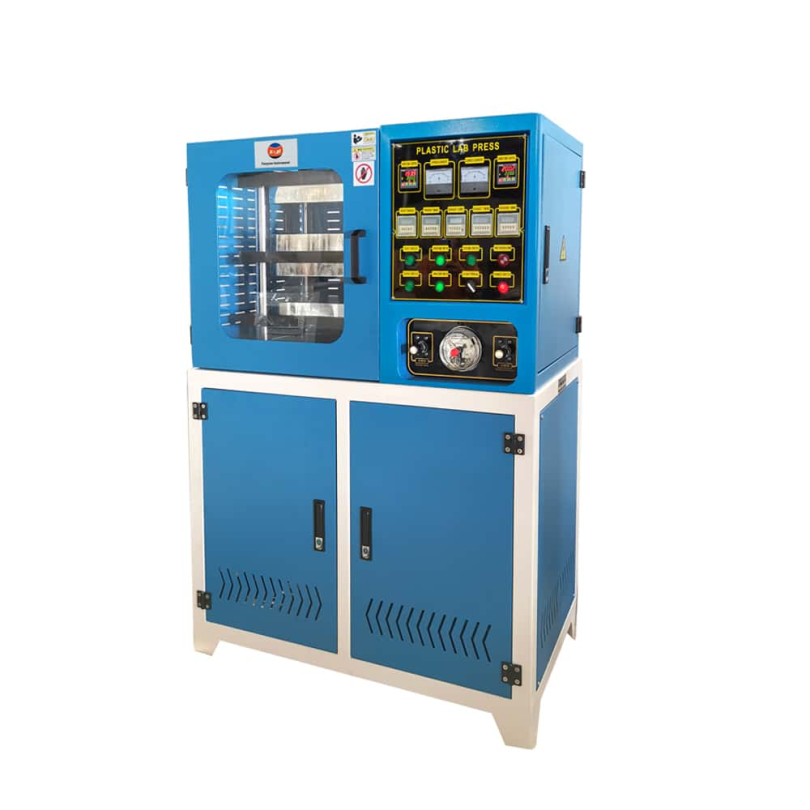
This article explores the features, applications, and advantages of the DW5150A and DW5150B lab press machines, helping beginners, professionals, and business owners understand why these machines are a valuable investment.
What Is a Laboratory Press?
A laboratory press is a machine used to apply controlled pressure and heat to materials for testing, shaping, or processing purposes. It is commonly used for:
- Rubber vulcanization
- Plastic molding
- Composite material testing
- Chemical sample preparation
The working principle involves applying pressure through hydraulic systems while maintaining a specific temperature using heated plates.
For a deeper understanding of how these machines function, many industry professionals refer to detailed guides such as this explanation of a Laboratory Press and its working mechanism.
Overview of DW5150A & DW5150B Lab Press Machines
The DW5150A and DW5150B models are advanced hydraulic laboratory presses specifically designed for rubber molding and material testing. These machines combine durability, efficiency, and user-friendly operation.
Their compact design and robust construction make them suitable for both laboratory research and industrial-scale applications.
Key Features of DW5150A / DW5150B
1. Four-Post Structure for Stability
The machines feature a four-column design that ensures:
- Balanced pressure distribution
- Increased structural strength
- Smooth operation during pressing
This design enhances accuracy, especially in material testing applications.
2. High-Quality Hydraulic System
The hydraulic system is engineered for efficiency and reliability:
- High and low-pressure control mechanisms
- Faster opening and closing speed
- Reduced energy consumption
This ensures consistent performance while lowering operational costs.
3. Durable Chrome Steel Pistons
The use of chrome steel pistons provides:
- Long service life
- Resistance to wear and corrosion
- Stable pressure output
This makes the machine suitable for long-term industrial use.
4. Advanced Heating Plate Design
The hot plate is manufactured from a complete A3 steel plate, offering:
- Improved durability
- Uniform heat distribution
- Reduced risk of cracking
This eliminates common issues such as uneven temperature and energy wastage.
5. User-Friendly Operation and Maintenance
Ease of use is a key advantage of these machines:
- Simple control system
- Minimal wiring complexity
- Easy maintenance access
This design reduces downtime and makes it ideal for both beginners and professionals.
6. Safety Features
Operator safety is always a priority. These machines include:
- Protective housing
- Secure operating system
- Stable pressure control
This ensures a safe working environment in laboratories and factories.
Applications of Laboratory Press Machines
Laboratory presses like DW5150A and DW5150B are widely used across multiple industries.
Rubber Industry
- Vulcanization of rubber sheets and components
- Testing rubber strength and elasticity
Plastics Industry
- Molding plastic samples
- Heat pressing for product development
Chemical Industry
- Sample preparation for analysis
- Pigment and compound processing
Research Laboratories
- Material testing and experimentation
- Prototype development
Benefits of Using DW5150A / DW5150B Lab Press
✔ Improved Production Efficiency
The fast hydraulic system significantly reduces cycle time, allowing higher productivity.
✔ Energy Savings
Optimized design minimizes power consumption without compromising performance.
✔ Consistent Results
Uniform pressure and temperature ensure reliable output every time.
✔ Cost-Effective Solution
Lower maintenance and energy costs make it a smart long-term investment.
How to Choose the Right Laboratory Press
Selecting the right lab press depends on your specific requirements. Here are some factors to consider:
1. Application Type
Determine whether you need the press for:
- Rubber vulcanization
- Material testing
- Sample preparation
2. Pressure Capacity
Ensure the machine can handle the required pressure for your materials.
3. Temperature Control
Accurate heating is essential for consistent results.
4. Build Quality
Look for durable materials such as A3 steel plates and chrome pistons.
5. Safety Features
Always prioritize machines with proper safety mechanisms.
Why DW5150A / DW5150B Stands Out
Compared to standard lab presses, these models offer a balanced combination of:
- Modern design
- Efficient hydraulic technology
- Long-lasting durability
- User-friendly operation
Their ability to handle multiple materials makes them suitable for a wide range of industries.
For those exploring specifications, pricing, or detailed product insights, this DW5150A / DW5150B lab press machine page provides additional technical information and options:
https://fyitester.com/for-sale/laboratory-press-dw5150a-dw5150b/
Industry Insights and Best Practices
According to general manufacturing and materials engineering standards, maintaining consistent pressure and temperature is critical for achieving reliable results in material processing.
Experts in polymer science and industrial engineering emphasize:
- Proper calibration of equipment
- Regular maintenance checks
- Controlled operating conditions
These practices not only improve product quality but also extend machine lifespan.
Conclusion
The DW5150A and DW5150B laboratory press machines are powerful, reliable, and efficient solutions for rubber molding and material testing. Their advanced hydraulic system, durable construction, and user-friendly design make them an excellent choice for laboratories and industrial applications alike.
Whether you are a beginner entering the field, a professional seeking precision, or a business owner aiming to improve production efficiency, investing in a high-quality laboratory press can significantly enhance your operations.
By choosing the right equipment and following best practices, you can ensure consistent results, reduce costs, and maintain a competitive edge in your industry.