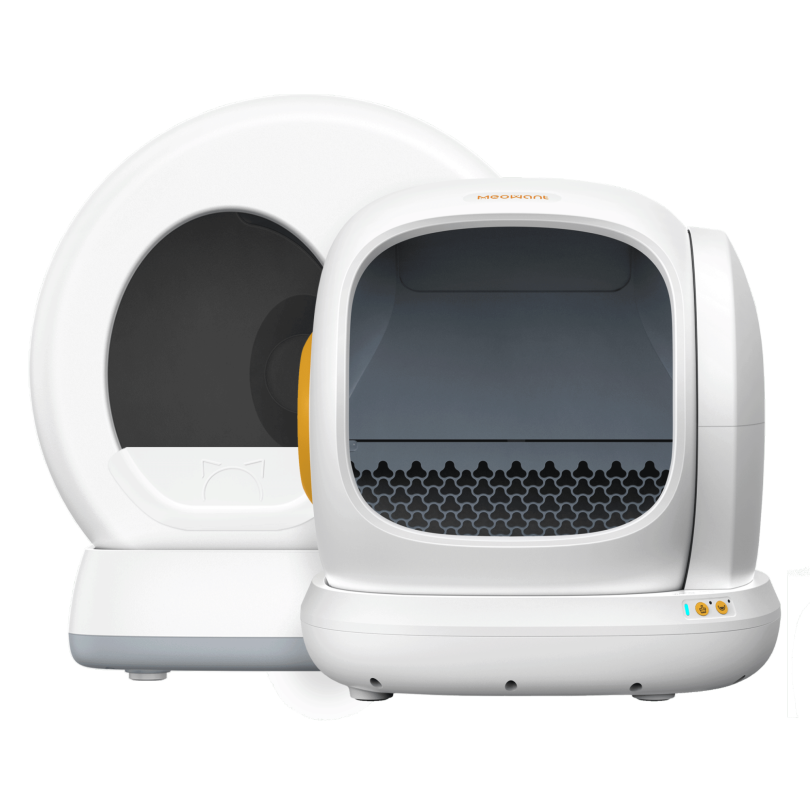

Few pet purchases arrive with as much hype as the self cleaning litter box. The pitch is irresistible: scooping disappears, odors fade, and your cat’s bathroom runs itself while you get on with your day. Then the box shows up, the manual is thinner than expected, and you learn that “automatic” comes with its own rules. None of this makes the category a gimmick. It means the marketing and the reality are describing two slightly different products.
This guide covers the details that rarely appear on product pages — how sensors actually behave, which litters cooperate, what the first week demands, and how to judge a unit before it lands in your hallway. If you are buying your first automated box, these are the things worth knowing before the box knows your cat.
The Gap Between the Brochure and the Box
Most listings promise a hands-off experience, and that framing sets expectations too high. A self cleaning litter box is best understood as a waste-moving machine, not a waste-disappearing one. It detects that your cat has finished, then rakes or sifts the clumped waste into a sealed compartment. The litter stays usable longer and the smell drops, but the compartment still has to be emptied, and the interior still needs periodic attention.
The second gap involves sensing. Units do not watch your cat; they watch weight and timing. A lightweight kitten, a cat that perches on the rim, or a box placed on thick carpet can all produce readings the software treats as ambiguous. Many designs respond by waiting longer before cycling, which is safer than moving while a cat is inside, but it also means the waste sits exposed a little longer than the ads imply.
Litter choice matters more than most buyers expect. Fine clumping litter forms the firm, compact clumps that raking mechanisms can lift cleanly. Crystalline or pellet litters often slip through or fail to bind, so waste gets smeared instead of removed. Before committing to a box, check that its manufacturer supports the litter you already buy, or plan to switch.
The app deserves the same skepticism. Notifications are useful when they report what you can verify, and unhelpful when they replace observation. A box that tells you the drawer is full while the drawer is half empty is worse than a box with a simple window, because you learn to ignore the alerts. Treat connectivity as a convenience layer over a mechanical device, not as proof that the device is working. The mechanical behavior — clean clumps, a sealed drawer, a quiet cycle — is the real measure.
One more expectation to set: automated boxes are heavier and bulkier than the tubs they replace. If the unit must be carried upstairs or squeezed into a closet, measure first and plan the route. Most returns happen because the box did not fit the space, not because it failed to clean.
The Three Jobs Every Unit Must Handle
Strip away the feature lists and a good unit has to do three unglamorous things well. Everything else is decoration.
Sensing the Cat, Not the Curtain
Reliable detection is the foundation of safety. Infrared beams, weight plates, and entry sensors each have blind spots, and the best designs combine more than one. Look for a unit that pauses the cycle the moment motion is detected, resumes only after a quiet period, and defaults to waiting when readings conflict. A box that cycles eagerly is not more advanced; it is less cautious.
Separating Waste From Clean Litter
The separation mechanism decides how much litter you waste. Raking systems drag solids into a receptacle while leaving the bed largely intact. Sifting systems rotate the entire drum so clean litter falls through a screen. Raking tends to be gentler on litter and easier to inspect; rotating drums handle larger volumes but can crush soft clumps. Either can work well — the question is whether the mechanism suits your cat’s habits and your tolerance for litter replacement.
Sealing Odor Between Cycles
Odor control lives in the waste compartment, not the open bed. A tight lid, a carbon filter, and a liner that actually fits are what keep the hallway livable. Filters are consumables, so check how often they need replacing and whether third-party replacements exist. A box with excellent sensing and a leaky drawer will still smell worse than a simpler unit with a well-sealed one.
What the First Week Actually Looks Like
No cat accepts a new bathroom on schedule. The first week is a negotiation, and the outcome depends more on your patience than on the machine’s software. Start by placing the new unit beside the old box rather than replacing it outright. Keep both available, keep the old one clean, and let the cat choose. Curiosity usually wins within a few days.
Run the unit manually while your cat is nearby, so the sound and motion become familiar before they happen unexpectedly. Feed treats near the box, and avoid hovering while the cat investigates. If your cat eliminates beside the box instead of inside it, the entry height or the litter depth is probably wrong — most units allow you to adjust both.
Watch the first several cycles closely. Confirm that clumps are being removed rather than smeared, that the waste drawer is closing fully, and that the app or indicator lights report what you actually observed. Small misalignments show up early, and most are fixable with a litter change or a firmer, level floor surface.
Expect a noisy adjustment period. Some cats treat the rotating drum as a threat for a week and then ignore it entirely. Others never warm to a particular mechanism, which is why buying from a brand with a return window matters as much as any specification.
Multi-cat homes need a different rhythm. Two cats sharing one automated box produce waste faster than the drawer can absorb it, and the sensor logic that works for one animal can become confusing when traffic is constant. A common rule is one box per cat plus one spare, and automation does not repeal it. If space allows only one unit, expect to empty the drawer more often and to clean the bed more frequently than the manual suggests. The savings in time remain real; they simply shrink with each additional cat.
Kittens and senior cats deserve a separate note. Very small cats may fall below the sensor threshold, and very old cats may struggle with entry height or with a litter bed that shifts underfoot. Neither group is excluded from automation, but both require checking the unit’s minimum weight and entry dimensions before purchase rather than after.
Buying With Fewer Surprises
A short pre-purchase checklist saves most of the regret. Confirm the minimum cat weight the sensors support, and be honest about whether your cat meets it. Check the entry height against your cat’s mobility, especially for seniors. Verify the litter type the mechanism expects. Read how the waste drawer is emptied and how large the liner opening is, because a drawer that is awkward to service gets serviced less often.
Then look at the parts that wear: the rake or drum motor, the filter, the liner, and any rubber seals. Availability of replacements tells you whether the box is a long-term appliance or a disposable gadget. Brands such as Meowant publish these details openly, which makes comparison far easier than guessing from photos.
Finally, decide what “clean enough” means in your home. If you want to stop scooping daily, an automated box delivers that. If you expect to never touch the device again, no product will meet the bar, and knowing that in advance keeps the purchase in perspective.
A Clearer View Before You Buy
The best self cleaning litter box is not the one with the longest feature list. It is the one whose sensing, separation, and sealing match your cat’s size, habits, and litter. Buyers who understand that the machine moves waste rather than erasing it tend to be satisfied, because their expectations already include the weekly emptying and the occasional deep clean.
Give the transition a week, watch how the unit behaves under real conditions, and keep the receipt until your cat has made a decision. Approached that way, an automated box genuinely reduces daily work and keeps the room fresher. It simply does so on its own terms, and the buyers who learn those terms early are the ones who never look back.