A fresh graduate may understand how project schedules work but find it difficult to handle a delayed deadline in a real work situation. Professional Certifications can help build this understanding, while practical exercises give learners a chance to use what they have studied and develop Career-Ready Skills. The following ten tips explain how students, fresh graduates, and working professionals can identify the skills needed for a job, gain practical experience through small projects, and present their abilities in a resume or interview.
How do professional certifications help career growth?
Professional certifications can help you to develop your career by providing a clear pathway for developing knowledge, gaining an accredited qualification, and understanding how to apply your knowledge in the workplace.
| Career stage | Where to practice | What to show |
| Student | Coordinate tasks for a class project or campus event | A schedule with task owners, deadlines, and one documented change |
| Fresh graduate | Use an internship task or simulate a workshop with a last-minute venue change | A revised schedule and a short progress update. Label the work as a simulation if applicable. |
| Working professional | Apply a skill to a current team project | An interview example explaining the problem, the action taken, and what changed |
What to learn before choosing a certification
Start with the tasks a target role requires. Use those tasks to decide which skill to build first and what training could help.
1. Find the tasks that appear in job postings
Look at five recent job ads for the same position and note which duties appear more than once. For example, a project coordinator may need to keep track of deadlines, check on unfinished tasks, and put together weekly progress reports.
2. Choose one skill to improve first
Choose a task that is difficult to handle without some guidance. For example, practice updating a project schedule when a delivery arrives late and work out which other tasks need to be changed.
3. Check how the credential and course fit the role
Two tips for choosing the right professional certification are to check which professional certifications appear in relevant job postings and to review the issuer’s exam topics and eligibility rules. When comparing professional certification courses, look at cost, study time, practice assignments, and feedback. Choose a course that addresses a specific career development goal.
Which certification is best for project management careers?
Beginners can consider the Certified Associate in Project Management (CAPM) as a starting point because the Project Management Institute (PMI) requires no project experience. The Project Management Professional (PMP) is an option for candidates who meet PMI’s project leadership experience and other eligibility requirements. PMP certification training helps candidates prepare for the exam.
How to put certification study into practice
Use a small project to apply several lessons together. A workshop with a last-minute venue change gives learners a reason to revise their plans.
4. Turn a lesson into something to make
Use exercises from professional certification courses to practice project management skills. After a lesson on risk, make a simple risk register for the workshop. List what could go wrong, who would handle each issue, and what action they would take.
5. Practice responding to a setback
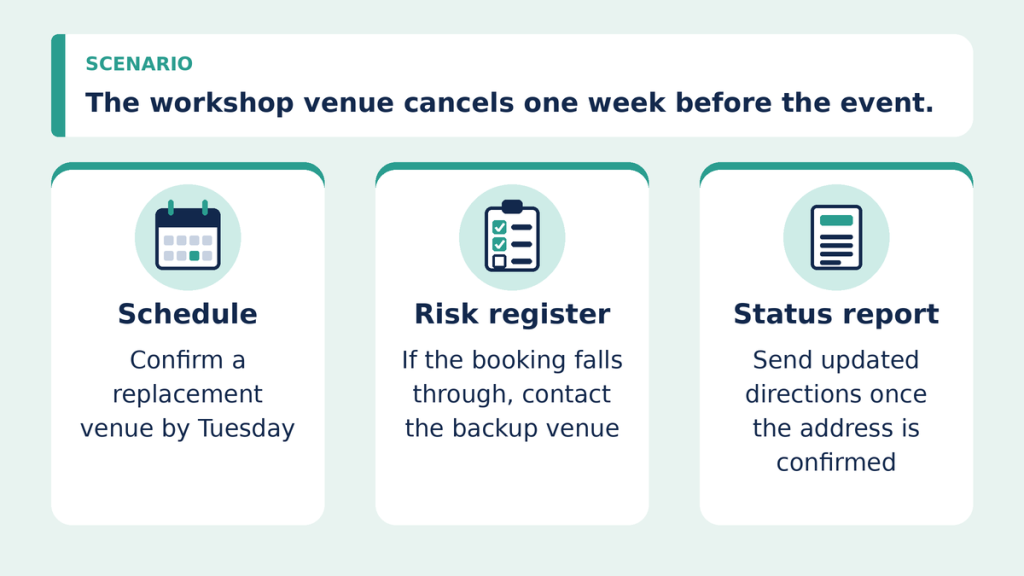
A week before a workshop, the venue cancels the booking. Learners taking PMP Certification Training can use this example to work out what needs immediate attention, which activities can go ahead as planned, and how much time is available to arrange another venue.
6. Combine related skills in one project
The project schedule should show Tuesday as the final date for confirming the new venue. Any issue that could hold up the booking can be added to the risk log, while the status report can cover the work completed so far and mention when attendees will get the updated directions.
7. Ask for feedback and make changes
Talk to someone who has done this before, ask them what needs doing, and who will do what. When booking your location, make a note of who is responsible for this task and when they need to confirm their final choice.
How to demonstrate and develop career-ready skills
Keep a log of your accomplishments, decisions you have made, and what you have achieved. A few notes on what went well and what needs improving will help you talk about your experience when creating your resume and provide examples in interviews.
8. Apply one skill in a real setting
Try this technique with a class project, volunteer project, or work project. Note down one thing you learned. For example, you may discover that no one has been allocated to inform people of the event.
9. Prepare a resume bullet and an interview example
Give an example of your project management skills. For example, you could write “Revised timeline and risk register to account for a change of venue for a simulated workshop.” In your interview, mention what deadlines were changed and why.
10. Set a practice goal for the month after the exam
Pick one more responsibility from a job description and set a goal to work on it over the next 30 days. For budgeting practice, try the workshop activity again with less money and note what expenses were adjusted and the reasons behind those changes. When a job requires knowledge not covered in the current syllabus, look at the relevant SterlingNext training options to find a suitable course.
Conclusion
Look through job descriptions to get an idea of the tasks involved in those roles. Try one out by doing it during your certification studies. For example, if the deadline for a project has been changed, update the schedule and ask a colleague to review the changes. Keep the updated version so you can refer to it in your interview. You’ll have a real example to talk about and will be able to explain what changes were made, which tasks were prioritized, and why.