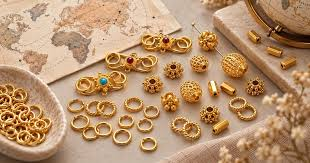

Small businesses and independent retailers need reliable suppliers to build a successful jewelry business. Whether selling earrings, necklaces, bracelets, or fashion accessories, choosing the right products can influence customer satisfaction and long-term growth. However, finding quality jewelry at affordable prices can be challenging, especially for businesses with limited budgets or storage space. Understanding wholesale sourcing, comparing suppliers, and managing inventory can help retailers make better purchasing decisions. By focusing on product quality, reasonable order quantities, and dependable supplier relationships, small businesses can create a competitive product collection while managing their costs effectively.
1. Understanding the Wholesale Jewelry Market
The wholesale jewelry market offers retailers an opportunity to purchase products in larger quantities, often at lower per-unit prices than individual retail purchases. These savings can help businesses set competitive selling prices while maintaining reasonable profit margins.
Wholesale jewelry includes many product categories, such as fashion jewelry, minimalist accessories, statement necklaces, rings, bracelets, and earrings. Retailers should understand their target audience before choosing which products to purchase. For example, a store serving customers who prefer everyday accessories may focus on simple designs, while a boutique targeting special occasions may offer more decorative pieces.
Researching customer preferences and market trends can help retailers choose suitable products. Rather than purchasing a wide range of items immediately, businesses can begin with a focused collection and expand it as they learn more about customer demand.
2. Why Low Minimum Order Quantities Matter
Minimum order quantity, commonly called MOQ, refers to the smallest quantity a supplier requires a buyer to purchase in one order. Some wholesalers require substantial purchases, which can create difficulties for startups and small retailers with limited budgets.
Low MOQs offer greater flexibility because businesses can order smaller quantities and evaluate products before making larger investments. This approach can reduce the risk of unsold inventory and allow retailers to experiment with different designs, colors, and styles.
Working with a B2B sourcing portal with low MOQs can help businesses explore sourcing opportunities that better match their purchasing needs. Retailers should review the available order requirements, product details, and shipping terms before making a decision.
Smaller orders can also help businesses maintain a balanced inventory. Instead of spending most of their budget on one product category, retailers may be able to test several options and identify which items attract the most interest.
3. How to Find Reliable Wholesale Jewelry Suppliers
Choosing a dependable supplier is an important part of building a sustainable jewelry business. Retailers should compare several suppliers instead of making decisions based only on price or product photographs.
First, review the supplier’s product catalog and examine the descriptions carefully. Information about materials, dimensions, finishes, colors, and product care can help buyers understand what they are purchasing. If important details are missing, contacting the supplier for clarification is a sensible step.
Communication is another important factor. A reliable business partner should provide clear information about order quantities, processing times, shipping costs, and return policies. Buyers should also check available customer feedback and verify business information where possible.
Before placing a large order, consider purchasing samples or a small quantity if the supplier allows it. This gives you an opportunity to inspect the products and assess whether they meet your expectations.
Retailers should also compare the total purchasing cost, including shipping, customs duties where applicable, and other fees. A low product price does not always mean the overall order is the most affordable option.
4. Evaluating Jewelry Quality Before Buying
Product quality directly affects customer satisfaction and the reputation of a retail business. Jewelry that looks attractive in photographs may differ from the actual product, so buyers should evaluate available information carefully.
Start by examining the materials used in each item. Different metals, coatings, stones, and decorative components can influence appearance, durability, and maintenance requirements. Retailers should confirm material claims with suppliers rather than relying on assumptions.
Pay attention to construction details, including clasps, chains, links, settings, and surface finishes. Uneven edges, loose components, inconsistent colors, and weak closures may indicate potential quality problems. When possible, inspect physical samples under good lighting.
Consistency is equally important. If a retailer plans to reorder popular products, the supplier should be able to explain how product specifications and quality are maintained across orders.
Accurate product descriptions also help retailers set appropriate customer expectations. Avoid advertising jewelry as hypoallergenic, waterproof, tarnish-resistant, or made from a particular precious metal unless the relevant claims are supported by reliable product information.
5. Managing Inventory and Controlling Costs
Effective inventory management helps small jewelry businesses avoid unnecessary expenses. Buying too much stock can tie up working capital, while ordering too little may cause popular products to become unavailable.
Retailers can begin by tracking sales, customer inquiries, and product returns. These records help identify which designs perform well and which items receive less attention. Businesses can then adjust future purchasing decisions according to actual demand.
It is also useful to calculate the complete cost of each product before setting a selling price. Include the wholesale price, shipping, packaging, transaction fees, and other relevant expenses. This provides a clearer picture of potential profitability.
Organizing products by category, style, and sales performance makes stock easier to monitor. Small businesses can use a spreadsheet or inventory management software to record quantities and identify when popular items need replenishment.
Maintaining a reserve of working capital is equally important. Businesses should avoid spending their entire budget on inventory because funds may also be needed for marketing, packaging, customer service, and unexpected expenses.
6. Building a Sustainable Wholesale Jewelry Business
Long-term success in jewelry retail depends on more than finding inexpensive products. Businesses need a consistent sourcing strategy, a clear understanding of their customers, and reliable relationships with suppliers.
Retailers interested in Sourcing high-quality Wholesale Jewelry should compare product specifications, evaluate supplier communication, and understand purchasing terms before committing to an order. Careful research can help businesses select products that match their budgets and customer expectations.
It is also important to review product performance regularly. Customer feedback, sales records, and return reasons can reveal opportunities to improve product selection. Retailers who respond to these insights can gradually develop a more relevant and appealing collection.
Small businesses do not need to purchase large quantities immediately to establish a strong foundation. Starting with manageable orders, checking product quality, and monitoring demand can support more informed decisions as the business grows.
Conclusion
Wholesale jewelry sourcing can create valuable opportunities for small businesses and independent retailers. By understanding MOQs, researching suppliers, evaluating product quality, and managing inventory carefully, businesses can make better purchasing decisions. A practical sourcing strategy helps control costs, reduce inventory risks, and maintain customer satisfaction. With consistent research and thoughtful planning, retailers can build a jewelry collection that supports steady business development and long-term growth.