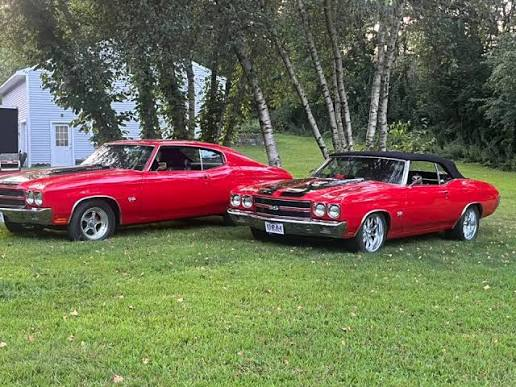

Finding the right replacement parts for a classic car can feel very different from shopping for parts for a newer vehicle. Older cars often have several factory variations, trim levels, engine choices, and production changes that can affect fitment. The Chevrolet Chevelle is a good example. Built during a major era of American automotive history, the Chevelle became known for its strong performance, attractive styling, and wide range of configurations. Today, restoring one requires careful attention to compatibility, quality, and originality. Choosing the correct 1964-1972 Chevelle parts is an important step toward keeping these iconic vehicles reliable and true to their character. Classic Parts helps enthusiasts find components designed around the needs of classic Chevrolet vehicles, making the restoration process easier to manage. Whether the goal is a full restoration, a weekend project, or simply replacing worn components, understanding what to look for can save time and prevent costly mistakes.
The 1964-1972 model years cover a significant part of the Chevelle’s development. During this period, Chevrolet changed body designs, mechanical components, interior features, and other details. A part that fits one model year may not automatically fit another. Even vehicles from the same year can differ because of engine size, body style, transmission, or factory options. This is why researching vehicle specifications before ordering is so important. Rather than choosing a component based only on appearance, owners should confirm the year, model, body configuration, and application. Paying attention to these details helps ensure that replacement parts work as intended while preserving the appearance and function of the classic vehicle.
Understanding Chevelle Model Year Differences
One of the most important parts of a successful Chevelle restoration is understanding how the vehicle changed over time. The first-generation Chevelle arrived for the 1964 model year and established a new place in Chevrolet’s lineup. Over the following years, Chevrolet introduced design and engineering updates that changed the appearance and construction of the car. By 1968, the Chevelle had moved into a new generation with a more sculpted body design. Additional updates followed through 1972, including changes to exterior styling, interior components, lighting, trim, and mechanical systems. These differences matter when selecting 1964-1972 Chevelle parts because parts designed for an early model may have completely different mounting points or dimensions than components intended for later cars.
Body style is another major factor. Chevelles were offered in several configurations, including coupes, sedans, convertibles, and station wagons, depending on the model year. A replacement panel, interior component, weatherstrip, or trim piece may be specific to one body style. Engine and transmission choices can also affect mechanical parts. A small-block Chevrolet application may require different components from a big-block setup, while automatic and manual transmissions can use different supporting hardware. Checking these details before purchasing helps avoid the common problem of receiving a high-quality part that simply does not match the vehicle.
Choosing Quality Classic Chevrolet Replacement Parts
Quality should always be considered when restoring a vehicle that is several decades old. Many original components have experienced years of use, exposure to weather, heat, vibration, and previous repairs. Replacing worn or damaged parts with dependable components can improve both the driving experience and the long-term condition of the vehicle. This is especially important for parts connected to braking, steering, suspension, fuel delivery, cooling, and electrical systems. A classic car can look excellent on the outside while still needing significant attention underneath. Selecting appropriate classic Chevrolet replacement parts gives owners an opportunity to address these problems while maintaining the vehicle’s original character.
Fit and finish are also important for restoration projects. Exterior trim, bumpers, grilles, moldings, emblems, and body components contribute heavily to a Chevelle’s appearance. Interior parts such as door components, seat hardware, dash pieces, carpeting, and weatherstripping can make an equally noticeable difference. Quality replacement parts should match the intended application and be made with restoration needs in mind. Classic Parts focuses on helping classic Chevrolet owners locate components for older vehicles, giving enthusiasts a practical source when original parts are difficult to find or no longer usable.
Matching Parts to Your Chevelle
Correct fitment starts with accurate information about the vehicle. Before ordering 1964-1972 Chevelle parts, owners should identify the exact model year and body style. It is also helpful to know the engine configuration, transmission type, and any major factory options. Vehicle identification information can provide additional clues when there is uncertainty about the original specification. For restoration projects, photographs of the existing component can also be useful when comparing shapes, mounting locations, and connection points. However, visual similarity should not replace proper fitment information because two parts can look nearly identical while having different dimensions or attachment methods.
Restorers should also consider whether they are replacing a completely original component or repairing a modified vehicle. Classic Chevelles are often customized, and previous owners may have changed engines, transmissions, suspension systems, electrical wiring, or other components. In these cases, factory specifications may not tell the whole story. Measuring the existing setup and identifying previous modifications can help determine what replacement component is appropriate. Keeping notes during a restoration is another simple way to reduce mistakes. Recording part numbers, measurements, model information, and installation details creates a useful reference for future repairs.
Restoring Performance and Reliability
A Chevelle restoration is not only about appearance. Mechanical reliability plays a major role in how enjoyable the car is to drive. Decades-old vehicles can have worn suspension components, aging hoses, deteriorated seals, tired cooling systems, and outdated electrical connections. Addressing these areas can make a classic car more dependable while preserving its original design. When selecting 1964-1972 Chevelle parts for mechanical work, owners should pay close attention to the specific application and intended use of the vehicle. A car driven regularly may need a different restoration approach from a vehicle preserved mainly for shows.
The braking and suspension systems deserve particular attention because they directly influence control and driving confidence. Steering components, brake hardware, suspension bushings, springs, shocks, and related components should be inspected carefully during restoration work. Cooling and fuel system components are also important because dependable temperature control and fuel delivery are essential for consistent operation. Electrical restoration can be equally valuable, especially when old wiring or connections have become brittle or unreliable. Replacing appropriate worn components can help a classic Chevelle perform more consistently without turning it into something it was never meant to be.
Making Classic Car Restoration Easier
Restoring a classic Chevrolet can be a rewarding project, but it becomes much easier when the process is organized. Instead of purchasing parts randomly, owners can begin with a complete inspection and create a plan based on safety, mechanical condition, body condition, and appearance. This approach makes it easier to determine which parts need immediate replacement and which components can wait. It also helps control the restoration budget. For vehicles with missing or damaged original components, sourcing reproduction and replacement parts can be more practical than searching for rare used pieces in unknown condition.
Working with a supplier that understands classic vehicles can also simplify the process. Classic Parts provides access to components intended for classic Chevrolet restoration, helping owners spend less time searching across unrelated sources. When buying 1964-1972 Chevelle parts, it is still important to review application information and compare the selected component with the vehicle’s specifications. A little research before placing an order can prevent delays, unnecessary returns, and installation problems. Good restoration work combines the right parts with careful planning, accurate identification, and patience.
Conclusion
Finding the right 1964-1972 Chevelle parts is an important part of preserving one of Chevrolet’s most recognizable classic cars. Because the Chevelle changed significantly across these model years, owners should never assume that a part will fit simply because it carries a Chevelle name. Model year, body style, engine, transmission, factory options, and previous modifications can all affect compatibility. Taking time to verify these details helps ensure that replacement components fit correctly and perform as expected.
A successful restoration balances originality, quality, safety, and reliability. From body panels and trim to suspension, brakes, electrical components, and interior parts, each component contributes to the finished vehicle. With careful research and a dependable source such as Classic Parts, enthusiasts can approach their projects with greater confidence. The right replacement parts do more than repair an aging vehicle; they help preserve the design, history, and driving experience that make the Chevelle special.