
Introduction
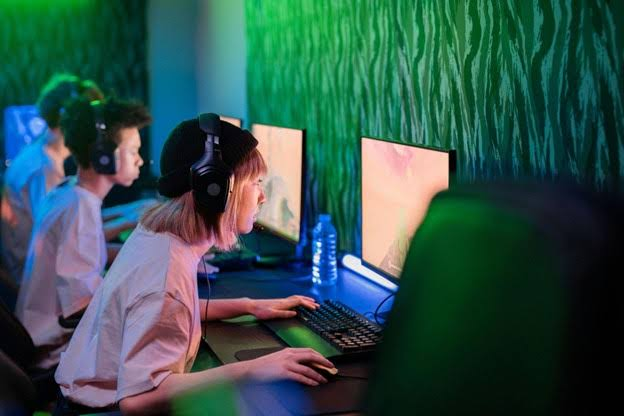
Online games Bandar Poker Lapak303 have become one of the most popular forms of entertainment in the digital age. Millions of people around the world play games on their computers, smartphones, tablets, and gaming consoles every day. Whether someone enjoys fast-paced action games, strategy-based adventures, sports simulations, or multiplayer role-playing games, online gaming offers something for everyone. As internet technology continues to improve, online games have become more immersive, interactive, and accessible than ever before.
Beyond simple entertainment, online gaming has created global communities where players can connect, compete, and collaborate regardless of their location. It has transformed gaming from a solo hobby into a social experience that brings together people from different cultures and backgrounds.
Why Online Games Are So Popular
One of the biggest reasons online games continue to grow in popularity is their accessibility. Players can enjoy games from almost anywhere with an internet connection. Mobile devices have made gaming more convenient, allowing people to play during breaks, while traveling, or from the comfort of their homes.
Another major factor is the wide variety of game genres available. Action games deliver excitement, strategy games challenge the mind, sports games recreate favorite competitions, and simulation games allow players to build cities, farms, or entire virtual worlds. This diversity ensures that players of all ages and interests can find games they enjoy.
Regular updates also keep online games fresh. Developers frequently introduce new characters, maps, events, challenges, and seasonal rewards that encourage players to return and experience new content.
Social Benefits of Online Gaming
Modern online games are designed to encourage communication and teamwork. Multiplayer modes allow friends to play together even when they live far apart. Voice chat, text messaging, and in-game communities help players coordinate strategies and build lasting friendships.
Many online games also encourage cooperation. Team-based gameplay teaches communication, leadership, and problem-solving skills as players work together toward shared objectives. Competitive matches can also improve decision-making under pressure and help players develop patience and resilience.
Gaming communities often extend beyond the games themselves through social media groups, online forums, and streaming platforms where players share tips, gameplay highlights, and creative content.
Skills Developed Through Gaming
Contrary to the outdated belief that gaming is simply a waste of time, many online games help develop valuable skills. Strategy games improve planning and critical thinking, while puzzle games strengthen logical reasoning. Multiplayer games encourage teamwork, coordination, and communication.
Fast-paced games can improve reaction speed, hand-eye coordination, and concentration. Resource management games teach planning and efficient decision-making. Some educational games even help players learn mathematics, history, geography, or foreign languages in an engaging way.
While gaming should always be balanced with other activities, it can become a meaningful learning experience when played responsibly.
The Growth of Esports
Esports has transformed online gaming into a global industry. Professional players now compete in tournaments with prize pools worth millions of dollars, attracting audiences that rival traditional sporting events. Popular competitive games feature organized leagues, international championships, and dedicated fan communities.
Streaming platforms have also opened new opportunities for gamers. Many skilled players earn income by broadcasting gameplay, creating tutorials, reviewing games, or entertaining audiences through live streams and video content. Content creation has become an exciting career path for many passionate gamers.
Challenges of Online Gaming
Although online gaming offers many advantages, players should also be aware of its challenges. Spending excessive time gaming may affect physical health, academic performance, or work responsibilities. Creating a healthy schedule helps maintain a good balance between gaming and daily life.
Online safety is equally important. Players should avoid sharing personal information with strangers, use strong passwords, enable account security features, and report inappropriate behavior when necessary. Parents can also use parental controls to ensure younger players enjoy age-appropriate content in a safe environment.
Practicing respectful communication helps create a positive gaming experience for everyone.
The Future of Online Games
Technology continues to reshape the gaming industry. Cloud gaming allows users to play high-quality games without expensive hardware, while virtual reality and augmented reality create increasingly immersive experiences. Artificial intelligence is also improving game design by providing smarter opponents, personalized gameplay, and more dynamic virtual worlds.
Cross-platform gaming is becoming increasingly common, allowing players on different devices to compete and cooperate together. These innovations are making online games more inclusive and enjoyable than ever before.
Conclusion
Online games have evolved into much more than a form of entertainment. They bring people together, encourage teamwork, develop valuable skills, and create opportunities for competition and creativity. With continuous technological advancements, online gaming will continue to shape the future of digital entertainment.
When enjoyed responsibly and in moderation, online games provide excitement, social interaction, and memorable experiences for players of all ages. Whether playing casually with friends or competing at the highest level, online gaming remains one of the most dynamic and engaging forms of entertainment available today.