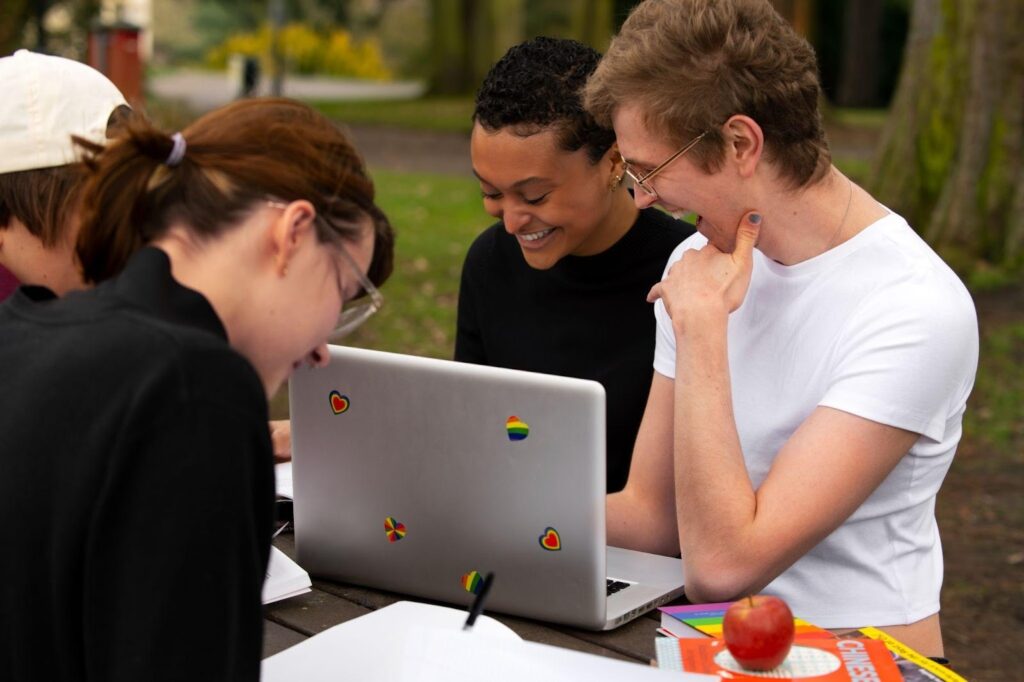
Education is no longer confined to geographical boundaries. Classrooms have turned from on-site places to virtual spaces where teachers and students connect across different time zones. A teenager in the USA might join a software development class with a teacher in China. Teaching across cultures is about making ideas resonate so they feel relatable, irrespective of the location.
A joke or an image that works well in one culture might not have significance in another place. Here, localization turns global learning into a personal experience. When done right, a localized platform feels familiar, intuitive, and emotionally connected. That’s why EdTech creators now rely on education translation services to help learning sound native everywhere it reaches.
The Real Depth of Localization
Localization is about creating an experience with culture in mind from the very start.
Imagine a U.S. learning app filled with baseball references. For students in Spain, that’s confusing. Replace them with football examples, and suddenly, the content clicks. Or take a science lesson using Fahrenheit, switch it to Celsius for Asian learners, and you’ve just made the material more intuitive.
When learners no longer have to mentally “translate” content, they connect faster. Localization helps learners not just understand but feel like they belong. And when people feel that sense of belonging, they engage deeply, and the retention level also increases.
How Localization Boosts Learning
A great learning experience doesn’t just teach; it resonates. Look at platforms like Duolingo and Coursera. Duolingo adjusts jokes, slang, and emoji styles for each market. Coursera changes subtitles, suggestions, and course tone to match local expectations. Their approach meets learners where they are, encouraging higher engagement. They stay longer, absorb more, and enjoy the process.
Localization and Inclusion
For millions of learners, English-only platforms can feel distant. Localization removes that barrier. By adapting visuals, audio, and layouts to fit local needs, EdTech companies widen access instead of narrowing it.
In areas where reading levels vary, replacing heavy text with visual modules can change everything. That’s not just accessibility; it’s inclusion.
The Real Edge in a Crowded EdTech Market
The EdTech space is packed. Every month, a new platform promises smarter tools and sleeker designs. But technology alone doesn’t win hearts. Empathy does.
A platform that communicates with learners in their language and culture earns trust quickly. Parents recommend it. Schools adopt it. Students stay loyal. In a market full of innovation, cultural understanding becomes the ultimate differentiator. Empathy earns respect, and in education, respect drives growth.
The Technical Side: Blending Accuracy with Creativity
It takes both precision and creativity to make multilingual platforms work smoothly. Each dashboard, quiz, and video must work seamlessly after localization. Even a tiny formatting issue or mistranslation can break user trust.
That’s where a technical translation agency makes a real difference. These professional teams understand both language and platform functionality. They make sure interfaces remain functional, tone stays consistent, and every translation fits perfectly within its design.
Learning Smarter with a Touch of AI and Localization
AI already makes learning personal by predicting what users need next. However, personalization only works when it understands culture.
If an algorithm only “knows” English, it misses how learners in other regions think or process lessons. When AI is trained with localized data, it learns not just what people study but how they prefer to learn. It can adapt examples, pacing, and even tone for each region. It’s the perfect blend of global tech and local understanding.
MarsTranslation: Localizing Global Learning
Expanding globally isn’t just about reaching new markets; it’s about staying relevant. That’s what MarsTranslation provides EdTech platforms looking to expand worldwide.
They combine technology with cultural expertise, handling everything from LMS integration to subtitling and user interface adaptation. Their specialists don’t just translate; they localize lessons so they sound natural to each learner group. AI speeds up their workflow, while human understanding ensures every message feels right. For edtech platforms that want to target global learners, MarsTranslation is more than an agency; it’s a true cultural partner.
Measuring True Success
Success in EdTech localization doesn’t show up in word counts; it shows up in data. Completion rates go up. Session times increase. Learners perform better overall.
Localized content also helps with visibility. When your platform matches local search behavior, it ranks higher, attracts more organic users, and builds stronger trust over time. For EdTech companies, that means steady growth with meaningful engagement.
Wrapping Up
Localization is what turns global education into a personal experience. When content feels natural in every language, learners connect faster and stay engaged longer. It’s not just about translating lessons; it’s about respecting cultures, building trust, and creating inclusion.
In today’s EdTech world, technology connects people, but localization makes that connection meaningful. True global learning begins when education feels local everywhere.