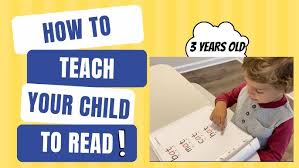

Teaching a child to read is an exciting journey, filled with moments of discovery and pride. Every child learns differently, but with patience, consistency, and the right strategies, you can make reading an enjoyable and rewarding experience. Here are some top tips to help guide your child’s reading journey, inspired by the practices of this Oxford independent school.
Start With the Basics
Before your child can read fluently, they need a strong foundation in letters and sounds. Begin by helping them recognise the alphabet and the sounds each letter makes. Using colourful flashcards or alphabet books can make this process fun and interactive. Singing alphabet songs and playing sound-matching games are also effective ways to strengthen their phonemic awareness.
Make Reading a Daily Habit
Consistency is key when teaching your child to read. Set aside a dedicated time each day for reading, even if it’s just 10–15 minutes. Daily reading helps children become familiar with words, sentence structures, and storytelling patterns. Make it a calm, enjoyable time, free from distractions, so your child associates reading with pleasure rather than pressure.
Choose the Right Books
Selecting books appropriate for your child’s age and reading level is essential. Start with simple picture books and gradually introduce books with more words and complex sentences. Books with repetitive phrases or rhymes help reinforce word recognition. Let your child have a say in choosing books—they’re more likely to engage with stories that capture their interest.
Encourage Reading Aloud
Reading aloud is a powerful tool for developing literacy skills. Encourage your child to read to you and take turns reading pages together. This not only improves pronunciation and fluency but also builds confidence. Don’t worry if your child makes mistakes; gently correct them and celebrate their successes to keep motivation high.
Use Everyday Moments to Read
Incorporate reading into everyday life to show your child that reading is not limited to books. Ask them to read signs, labels, recipes, or instructions. This helps them understand that reading is a practical skill used in daily life and encourages them to practice more naturally.
Make It Interactive and Fun
Games and activities can make reading more engaging. Use word puzzles, rhyming games, or storytelling activities to strengthen your child’s comprehension and vocabulary. Rewarding their efforts with praise or small incentives can also help maintain enthusiasm and make learning feel like a positive experience.
Be Patient and Supportive
Every child learns at their own pace, and it’s important to stay patient and supportive throughout the process. Celebrate small achievements and avoid pressuring your child to read perfectly. Encourage curiosity, ask questions about the story, and listen attentively when they read—it all reinforces a love for reading.
Teaching your child to read is more than just a skill—it’s about opening the door to imagination, learning, and confidence. By creating a positive, supportive, and fun reading environment, you can help your child develop a lifelong love for books and learning.