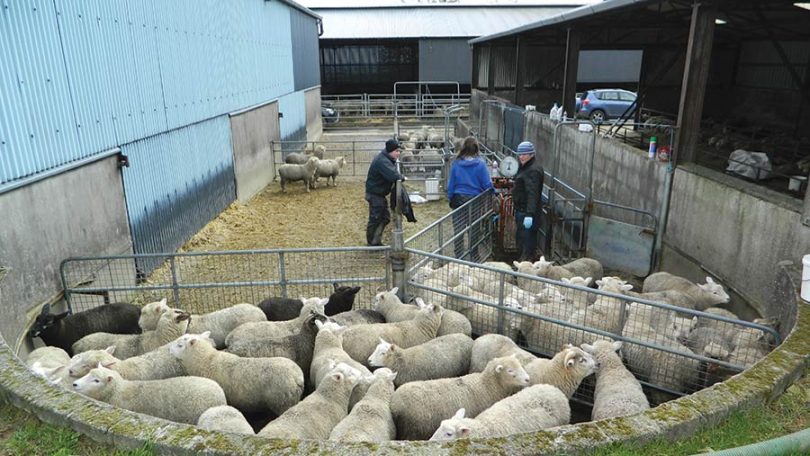

Efficient sheep management requires more than basic pens and gates. Modern sheep handling equipment is designed to improve safety, streamline operations, and protect both stock and handlers. Farmers and livestock managers increasingly seek solutions that combine durability, ease of use, and adaptability to different farm layouts. Understanding the key features of contemporary equipment ensures better productivity and animal welfare.
Durability and Strong Construction
Sheep handling equipment must withstand regular use and harsh environmental conditions. Heavy duty steel frames, powder coated finishes, and reinforced joints provide longevity and resistance to corrosion. This is especially important in saleyards and feedlot environments where high traffic and varied weather can quickly wear out weaker equipment. Reliable construction reduces maintenance costs and prevents equipment failure that could compromise safety.
High quality materials also prevent livestock injuries. Smooth surfaces, rounded edges, and secure latches minimise the risk of cuts or bruising. When selecting livestock handling systems for sheep, look for equipment that meets national safety and animal welfare standards.
Adaptability and Modular Design
Modern handling systems offer modular components that allow farmers to configure layouts according to herd size and available space. Adjustable race widths, portable gates, and modular pens provide flexibility for seasonal changes or farm expansion.
Modularity ensures that equipment can be moved, reconfigured, or expanded without complete replacement. This adaptability is a valuable feature for farms that need to manage both small and large groups efficiently.
Animal Flow and Low Stress Design
The behaviour of sheep is a critical factor in handling efficiency. Equipment designed with animal psychology in mind reduces stress and improves flow through yards, races, and chutes. Curved races, anti-slip flooring, and gradual turns encourage animals to move calmly, preventing bottlenecks and injuries.
Properly designed systems also make routine tasks like weighing, tagging, and vaccination more efficient. Stress free handling improves livestock health, reduces labour time, and enhances overall farm productivity.
Safety for Handlers
Protecting workers is equally important. Handlers need secure access points, escape routes, and well positioned gates to work safely around livestock. Modern systems often include features such as sliding gates, lockable panels, and protective barriers that prevent accidental injury.
When choosing livestock handling systems for sheep, consider ergonomics and ease of use. Well designed equipment reduces physical strain, improves task efficiency, and ensures that handlers can operate with confidence even during busy periods.
Integrated Weighing and Monitoring Features
Many modern systems incorporate digital weighing scales, identification scanners, and health monitoring tools. These features allow farmers to track animal growth, monitor feed efficiency, and maintain accurate records.
Integration of technology supports better decision making and compliance with industry reporting requirements. Farmers can manage larger herds more effectively while minimising stress on animals.
Maintenance and Longevity
Ease of cleaning and maintenance is a practical consideration. Equipment that can be hosed down, has removable panels, and uses corrosion resistant materials extends usable life and maintains hygiene standards.
Routine inspection of welds, fasteners, and moving parts ensures continued safe operation. Investing in low maintenance, durable equipment reduces long term operational costs and downtime.
Making the Right Choice
Selecting modern sheep handling equipment is about balancing durability, safety, efficiency, and animal welfare. Systems that combine modular design, low stress animal flow, and integrated monitoring capabilities provide long term value for farms of all sizes.
By prioritising key features and consulting with specialists, farmers can implement livestock handling systems for sheep that enhance productivity, protect workers, and support healthier, calmer herds. Properly chosen equipment ensures that operations run smoothly from saleyards and feedlot management to everyday farm handling tasks.