How Does a High-Quality Hemp Brand Ensure Premium-Grade Cultivation Standards?
Have you ever considered how hemp can help a company really stand out? It’s not just about appealing packaging or attractive marketing, it’s all about the way hemp grows. The top hemp brands go above and beyond the norm to ensure that every hemp plant is grown to the highest standards of cultivation, from beginning to store shelf.
Let’s examine the processes behind the scenes that separate the top from the rest.
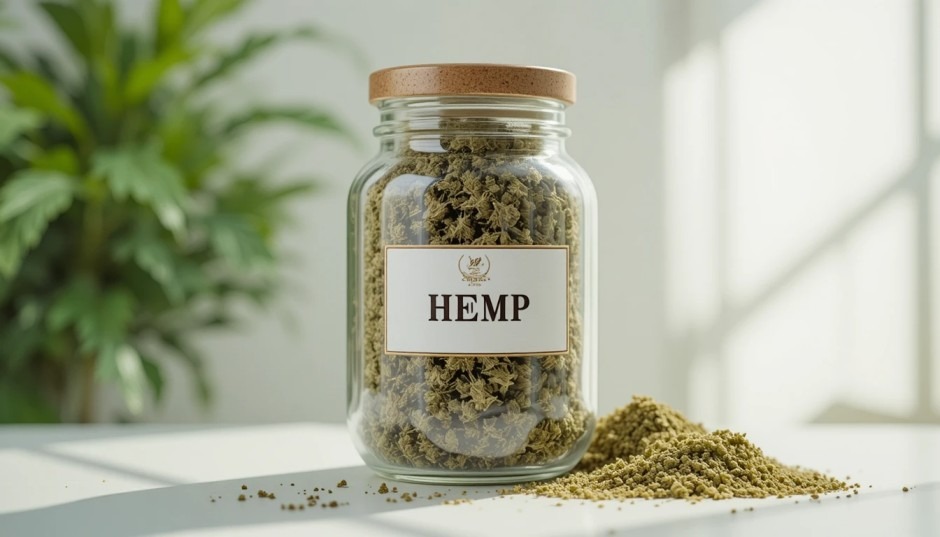
Understanding What Defines a High-Quality Hemp Brand
The Rise of the Hemp Industry
As hemp becomes a global fitness and health expert, the demand for premium hemp is growing quickly. From CBD oils to the top-selling THCA flower the standard for quality is constantly rising.
Why Quality Matters in Hemp Production
A hemp plant that is not properly grown could lead to contamination, lower potency, and unpleasant taste. Quality brands ensure that each hemp plant is of the highest purity, consistency and highest health benefits.
The Foundation of Premium-Grade Cultivation
Selecting the Right Hemp Genetics
All of it starts in the seeds. Only the best genetics offer strong cannabinoid profiles and robust plants. Professional brands work with breeders who are certified to select varieties best suited to the specific climates.
Importance of Organic and Non-GMO Seeds
Utilizing organic seeds that are non-GMO ensures an organic and chemical-free product. These seeds develop naturally and without any genetic manipulation and preserve the natural characteristics of the plant.
Sustainable Farming Practices
Using Organic Soil and Natural Nutrients
The most successful hemp farms do not make use of synthetic fertilizers. Instead, they enrich soil by adding compost, natural minerals and worm castings. This creates healthy conditions that are rich in nutrients that will help develop the hemp plant.
Water Conservation and Eco-Friendly Irrigation
Premium growers use drip irrigation to minimize loss of water and to prevent root rot, making the environment healthy.
Crop Rotation for Soil Health
Crop rotation is a way to add organic nutrients to the soil ensuring that every batch of hemp is as effective as the previous batch.
Climate and Environmental Control
The Ideal Growing Conditions
Hemp thrives under conditions that are balanced by humidity, sunlight and temperatures. Brands that have precise temperature control result in more reliable and strong plants.
Greenhouse Vs. Outdoor Cultivation
Greenhouse farming can be managed all year long, since outdoor crops are dependent on the sun’s rays and natural patterns. Both can be extremely productive if properly managed.
The Role of Farmers and Expert Growers
Skilled Cultivators Ensure Consistency
The secret to a successful hemp plant is an experienced cultivator. Expert cultivators know how to maintain the balance of the right amount of nutrients, water and light for each stage of development.
Regular Monitoring and Crop Care
Regular inspections of plants can spot issues earlier and ensure that only healthy plants can get to harvest.
Nutrient Management and Soil Testing
Testing for Mineral Balance
The top brands regularly test their soil to ensure it’s free from pesticides and heavy metals. Maintaining a healthy mineral balance is essential for healthy hemp.
Avoiding Chemical Fertilizers and Pesticides
Instead of damaging chemicals premium hemp brands use organic methods of pest control like as ladybugs and neem oils to ensure that the crops are safe and safe.
Harvesting at Peak Potency
Determining the Right Harvest Time
Timing is vital to timing and is crucial to everything. Picking when the plant is at its peak maturation of cannabinoids will result in the most potent THCA and Terpene levels to produce an aromatic and deep product.
Gentle Hand Harvesting Methods
A precise, manual trimming is able to preserve delicate trichomes while also conserving taste and strength.
Post-Harvest Processing and Curing
Proper Drying and Curing Techniques
A long drying time in rooms that are controlled by a climate helps to prevent mold and keeps it in good condition. Curing improves the odor and smoothness.
Maintaining Cannabinoid and Terpene Profiles
Premium brands are more attentive to preserving organic terpenes, cannabinoids, and Terpenes which are responsible for the taste and benefits of hemp.
Quality Testing and Lab Certifications
Third-Party Lab Testing Importance
Independent labs test the effectiveness as well as the security and purity. This transparency confirms that the item is not contaminated by harmful contaminants.
Ensuring Purity, Potency, and Safety
Every batch is subject to COA (Certificate of Analysis) testing to ensure the result is consistent each time.
Traceability and Transparency
Farm-to-Bottle Tracking
Top hemp companies monitor every product’s route from the seed to the final packaging ensuring traceability.
Consumer Trust Through Open Practices
Transparency can help build trust. Brands that share the outcomes of tests as well as details about their sources are able to create loyal customers.
Sustainability and Environmental Responsibility
Carbon-Neutral Operations
The best hemp producers offset their carbon emissions by using renewable energy sources, as well as sustainable logistics.
Eco-Packaging and Waste Reduction
Packaging made from biodegradable or recycled materials conforms to sustainability targets.
Innovation in Hemp Cultivation
Use of Smart Farming Technology
Modern farms employ artificial intelligence sensors and data analytics to monitor the growth of plants, their temperature and humidity, to guarantee optimal conditions for growth throughout the day.
Genetic Advancements for Better Yields
By breeding carefully, experts have created varieties that are strong and powerful, as well as tasty but without harming the integrity of their original ancestors.
Certifications That Define Quality
USDA Organic, GMP, and ISO Standards
High-quality hemp brands proudly carry certifications that confirm their ethical and quality practices.
Why Certifications Matter to Consumers
These seals of approval assure that the item you purchase is in conformity with the strict standards of safety and quality.
Conclusion
A high-quality hemp product can’t be made in a flash. It’s created with diligence over time, and also transparency and a commitment towards sustainable development. From the soil to the shelves every step is focused on maintaining integrity, purity and high quality. If the brands follow these top-quality cultivation standards. It’s more than purchasing hemp. You’re purchasing a product that you can trust.
Have you ever considered how hemp can help a company really stand out? It’s not just about appealing packaging or attractive marketing, it’s all about the way hemp grows. The top hemp brands go above and beyond the norm to ensure that every hemp plant is grown to the highest standards of cultivation, from beginning to store shelf.
Let’s examine the processes behind the scenes that separate the top from the rest.
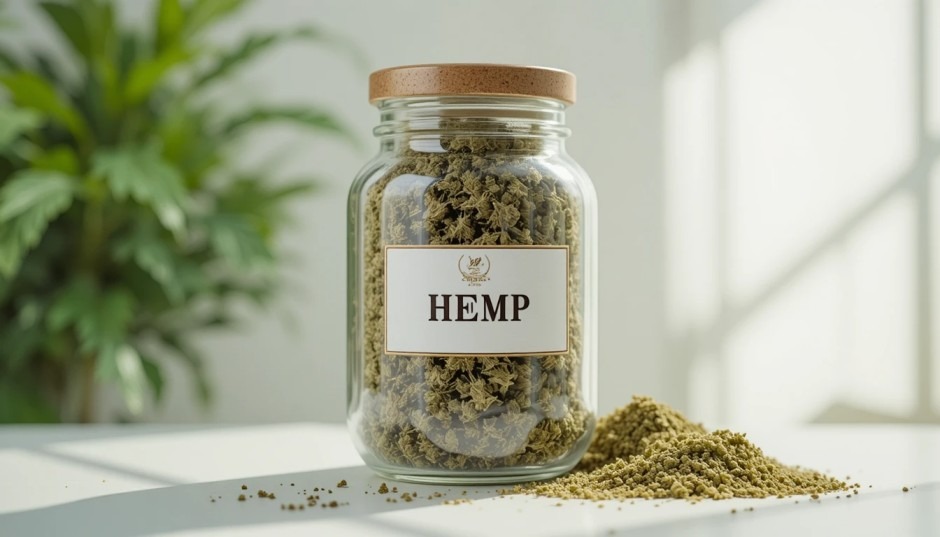
Understanding What Defines a High-Quality Hemp Brand
The Rise of the Hemp Industry
As hemp becomes a global fitness and health expert, the demand for premium hemp is growing quickly. From CBD oils to the top-selling THCA flower the standard for quality is constantly rising.
Why Quality Matters in Hemp Production
A hemp plant that is not properly grown could lead to contamination, lower potency, and unpleasant taste. Quality brands ensure that each hemp plant is of the highest purity, consistency and highest health benefits.
The Foundation of Premium-Grade Cultivation
Selecting the Right Hemp Genetics
All of it starts in the seeds. Only the best genetics offer strong cannabinoid profiles and robust plants. Professional brands work with breeders who are certified to select varieties best suited to the specific climates.
Importance of Organic and Non-GMO Seeds
Utilizing organic seeds that are non-GMO ensures an organic and chemical-free product. These seeds develop naturally and without any genetic manipulation and preserve the natural characteristics of the plant.
Sustainable Farming Practices
Using Organic Soil and Natural Nutrients
The most successful hemp farms do not make use of synthetic fertilizers. Instead, they enrich soil by adding compost, natural minerals and worm castings. This creates healthy conditions that are rich in nutrients that will help develop the hemp plant.
Water Conservation and Eco-Friendly Irrigation
Premium growers use drip irrigation to minimize loss of water and to prevent root rot, making the environment healthy.
Crop Rotation for Soil Health
Crop rotation is a way to add organic nutrients to the soil ensuring that every batch of hemp is as effective as the previous batch.
Climate and Environmental Control
The Ideal Growing Conditions
Hemp thrives under conditions that are balanced by humidity, sunlight and temperatures. Brands that have precise temperature control result in more reliable and strong plants.
Greenhouse Vs. Outdoor Cultivation
Greenhouse farming can be managed all year long, since outdoor crops are dependent on the sun’s rays and natural patterns. Both can be extremely productive if properly managed.
The Role of Farmers and Expert Growers
Skilled Cultivators Ensure Consistency
The secret to a successful hemp plant is an experienced cultivator. Expert cultivators know how to maintain the balance of the right amount of nutrients, water and light for each stage of development.
Regular Monitoring and Crop Care
Regular inspections of plants can spot issues earlier and ensure that only healthy plants can get to harvest.
Nutrient Management and Soil Testing
Testing for Mineral Balance
The top brands regularly test their soil to ensure it’s free from pesticides and heavy metals. Maintaining a healthy mineral balance is essential for healthy hemp.
Avoiding Chemical Fertilizers and Pesticides
Instead of damaging chemicals premium hemp brands use organic methods of pest control like as ladybugs and neem oils to ensure that the crops are safe and safe.
Harvesting at Peak Potency
Determining the Right Harvest Time
Timing is vital to timing and is crucial to everything. Picking when the plant is at its peak maturation of cannabinoids will result in the most potent THCA and Terpene levels to produce an aromatic and deep product.
Gentle Hand Harvesting Methods
A precise, manual trimming is able to preserve delicate trichomes while also conserving taste and strength.
Post-Harvest Processing and Curing
Proper Drying and Curing Techniques
A long drying time in rooms that are controlled by a climate helps to prevent mold and keeps it in good condition. Curing improves the odor and smoothness.
Maintaining Cannabinoid and Terpene Profiles
Premium brands are more attentive to preserving organic terpenes, cannabinoids, and Terpenes which are responsible for the taste and benefits of hemp.
Quality Testing and Lab Certifications
Third-Party Lab Testing Importance
Independent labs test the effectiveness as well as the security and purity. This transparency confirms that the item is not contaminated by harmful contaminants.
Ensuring Purity, Potency, and Safety
Every batch is subject to COA (Certificate of Analysis) testing to ensure the result is consistent each time.
Traceability and Transparency
Farm-to-Bottle Tracking
Top hemp companies monitor every product’s route from the seed to the final packaging ensuring traceability.
Consumer Trust Through Open Practices
Transparency can help build trust. Brands that share the outcomes of tests as well as details about their sources are able to create loyal customers.
Sustainability and Environmental Responsibility
Carbon-Neutral Operations
The best hemp producers offset their carbon emissions by using renewable energy sources, as well as sustainable logistics.
Eco-Packaging and Waste Reduction
Packaging made from biodegradable or recycled materials conforms to sustainability targets.
Innovation in Hemp Cultivation
Use of Smart Farming Technology
Modern farms employ artificial intelligence sensors and data analytics to monitor the growth of plants, their temperature and humidity, to guarantee optimal conditions for growth throughout the day.
Genetic Advancements for Better Yields
By breeding carefully, experts have created varieties that are strong and powerful, as well as tasty but without harming the integrity of their original ancestors.
Certifications That Define Quality
USDA Organic, GMP, and ISO Standards
High-quality hemp brands proudly carry certifications that confirm their ethical and quality practices.
Why Certifications Matter to Consumers
These seals of approval assure that the item you purchase is in conformity with the strict standards of safety and quality.
Conclusion
A high-quality hemp product can’t be made in a flash. It’s created with diligence over time, and also transparency and a commitment towards sustainable development. From the soil to the shelves every step is focused on maintaining integrity, purity and high quality. If the brands follow these top-quality cultivation standards. It’s more than purchasing hemp. You’re purchasing a product that you can trust.