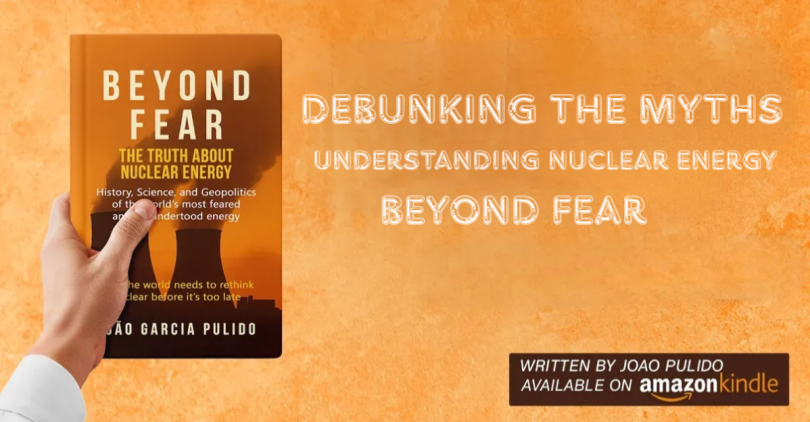

For decades, nuclear energy has been surrounded by Fear, misinformation, and emotionally charged narratives. Images of catastrophic accidents and concerns about radioactive waste have shaped public perception, often overshadowing scientific facts and practical realities. In Beyond Fear: The Truth About Nuclear Energy, João Garcia Pulido confronts these myths head-on, offering readers a clear, evidence-based understanding of why nuclear power deserves reconsideration in today’s energy debate.
One of the most persistent myths about nuclear energy is that it is inherently unsafe. Public Fear has been largely shaped by high-profile disasters such as Chernobyl and Fukushima. While these events were undeniably tragic, Pulido emphasizes that they are exceptions rather than the rule. When viewed in context, nuclear energy has one of the lowest fatality rates per unit of electricity generated among fossil fuels, such as coal, oil, and natural gas. Modern atomic plants operate under stringent international safety regulations, with multiple redundant systems designed to prevent accidents and mitigate risks.
Another widespread misconception is that nuclear energy is incompatible with environmental sustainability. In reality, nuclear power is one of the most significant sources of low-carbon electricity worldwide. Unlike fossil fuels, nuclear plants produce virtually no greenhouse gas emissions during operation. As countries struggle to meet climate targets and reduce reliance on carbon-intensive energy sources, nuclear power offers a stable, scalable solution that complements renewables such as wind and solar.
Pulido also addresses the concern that nuclear energy produces unmanageable radioactive waste. While nuclear waste does require careful handling, the volume produced is far smaller than many assume. All the spent nuclear fuel generated over decades can be safely contained, tracked, and stored using proven technologies. The book explains how advancements in waste management, recycling, and deep geological repositories have made long-term storage both feasible and safe. Compared to the vast and often unregulated waste streams of fossil fuels, such as carbon emissions, air pollution, and toxic ash, nuclear waste is tightly controlled and scientifically managed.
Fear around nuclear energy is also fueled by its association with nuclear weapons. Beyond Fear clearly distinguishes civilian nuclear power from military applications, emphasizing that civilian nuclear programs are subject to strict international oversight. Pulido explores the geopolitical dimensions of nuclear energy, explaining how transparency, cooperation, and regulation are essential to ensuring that nuclear technology is used responsibly. Rather than being a threat, nuclear energy can enhance global energy security by reducing dependence on volatile fossil fuel markets.
The book also challenges the idea that nuclear energy is outdated or inflexible. On the contrary, innovation is transforming the field. Small Modular Reactors (SMRs) offer safer, more affordable, and more adaptable nuclear solutions, especially for regions with limited infrastructure. Meanwhile, ongoing research into nuclear fusion holds the promise of virtually limitless clean energy. Pulido presents these developments not as distant dreams, but as realistic pathways already taking shape.
The most powerful contribution of Beyond Fear is its call for informed dialogue. Pulido does not dismiss concerns or oversimplify complex issues. Instead, he encourages readers to move beyond emotional reactions and engage with facts, data, and long-term thinking. The energy transition requires difficult choices, and no single solution will solve the global crisis. However, excluding nuclear energy due to outdated fears may undermine efforts to achieve a sustainable, energy-secure future.
By debunking myths and presenting nuclear energy in its full complexity, Beyond Fear empowers readers to rethink long-held assumptions. It invites policymakers, environmentalists, and everyday citizens alike to consider atomic power not as something to fear, but as a vital tool in the fight against climate change. In a world that urgently needs reliable, clean energy, understanding nuclear power beyond Fear is not just beneficial; it is essential.
Amazon Link: The Truth About Nuclear Energy