Travel in Borneo offers a unique blend of rugged adventure and surprising convenience, especially when navigating the stretch between Bintulu and Sibu. Whether you are a local returning home for the weekend or a traveler exploring the rich cultural tapestry of Sarawak, the bus remains one of the most reliable and budget-friendly ways to move between these two major towns.
While flying might seem faster on paper, the bus journey offers a different kind of appeal. It saves you the hassle of airport security, drops you right in the heart of town, and lets you witness the changing landscapes of Sarawak’s interior. From palm plantations to glimpses of the mighty Rajang River, the road trip is an experience in itself. Plus, with frequent departures and comfortable coaches, it’s far less stressful than driving yourself.
However, finding up-to-date information on schedules and operators can sometimes feel like a treasure hunt. If you’ve ever found yourself scrolling through outdated forums or wondering if the bus times have changed since the last festive season, you’re not alone. This guide is here to clear up the confusion, providing you with everything you need to know about hopping on a bus from Bintulu to Sibu.
Bus Operators Plying the Route
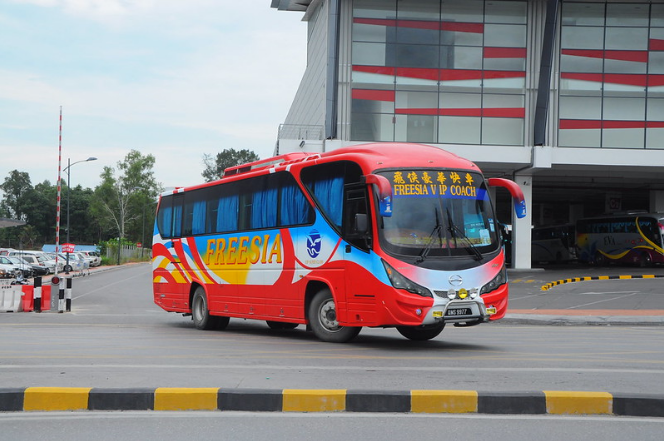
Several reputable companies operate on the Bintulu to Sibu route, ensuring that passengers have plenty of choices throughout the day. Competition here is healthy, which means reasonably consistent fares and service standards across the board.
Most buses depart from the Bintulu Sentral Bus Terminal (also known as the Medan Jaya Bus Terminal), located about 5km from the town center. They arrive at the Sibu Bus Terminal, which is the main long-distance hub in Sibu.
Here are the primary operators you will encounter:
- Biaramas Express (Bus Asia): One of the most established names in Sarawak, known for frequent trips and reliability.
- Eva Express: A popular choice for travelers who value comfort, often operating newer coaches.
- Sungei Merah Bus Bhd: A local favourite that has been serving the region for years.
- Borneo Bus: Another reliable option that frequently services this specific sector.
- Kapit Bus Express: While their name suggests a further destination, they are a key player on the Bintulu-Sibu leg.
- MTC Express: Known for offering competitive pricing and decent legroom.
Schedules, Fares, and Duration
One of the best things about this route is the frequency. You don’t need to wake up at the crack of dawn if you don’t want to, nor are you stranded if you miss the morning bus.
Typical Schedules
Buses run from early morning until late at night. While schedules are subject to change (especially during public holidays), generally, you can expect the following:
- First Bus: Around 6:30 AM or 7:00 AM.
- Last Bus: Usually late at night, around 10:30 PM or 11:15 PM.
- Frequency: Departures are very frequent, often every hour or so during peak times.
Ticket Prices
The fare for this route is quite standardized and affordable.
- Standard Fare: You can expect to pay between RM 28.00 and RM 29.00.
- Discounts: Some online booking platforms occasionally offer small discounts, bringing the price down slightly to around RM 25–RM 27.
- Festive Surcharges: Be aware that during major celebrations like Gawai Dayak, Chinese New Year, or Hari Raya, prices may increase slightly due to high demand.
Journey Duration
The distance between Bintulu and Sibu is approximately 210 km.
- Estimated Time: The trip typically takes between 3 hours 45 minutes to 4 hours 30 minutes.
- Factors: This depends heavily on traffic conditions, the weather, and whether the driver makes a stop for a washroom break.
How to Book Your Tickets
Gone are the days when you had to physically go to the terminal to buy a ticket. While walk-in purchases are still very much possible (and common), booking online is highly recommended to secure your seat, especially on weekends.
Online Booking
You can check real-time availability and book seats through major aggregators like Easybook, a comprehensive platform that lists almost all operators for this route.
Pro Tip: If you book online, check if you need to print your ticket. Some operators accept the mobile “M-Ticket,” but others still require you to exchange your digital booking confirmation for a physical boarding pass at the counter before boarding.
Tips for a Comfortable Journey
A 4-hour bus ride isn’t a marathon, but a few small preparations can make it much more pleasant.
- Bring a Jacket: The air-conditioning in Malaysian express buses is notorious for being freezing cold. A light hoodie or jacket is essential.
- Snacks and Water: While some drivers stop for a break, it’s not guaranteed. Pack a bottle of water and some light snacks just in case.
- Arrive Early: The Bintulu Bus Terminal can get busy. Arrive at least 30 minutes before your departure time, especially if you need to exchange an online voucher for a ticket.
- Motion Sickness: The road conditions are generally good (mostly part of the Pan Borneo Highway network), but there can still be winding sections or bumpy patches due to construction. If you are prone to motion sickness, take your medication beforehand.
Exploring Sibu: More Than Just a Stopover
Once you arrive at the Sibu Bus Terminal, you are just a short taxi or Grab ride away from the town center. Sibu, situated at the confluence of the Rajang and Igan Rivers, is a town rich in Foochow heritage and charm.
Must-Visit Attractions
- Sibu Central Market: It’s the largest indoor market in Malaysia! Head to the first floor to try the famous kompia (Sibu bagel) or a bowl of kampua mee. It’s a sensory overload in the best way possible.
- Tua Pek Kong Temple: An iconic landmark with a 7-storey pagoda that offers a panoramic view of the Rajang River. It dates back to the 1870s and is a stunning piece of architecture.
- Sibu Heritage Centre: Housed in the former Town Hall, this museum offers a deep dive into the cultural history of the various ethnic groups in the region, including the Iban, Melanau, and Malay communities. It’s open from Tuesday to Sunday, typically from 8:00 AM to 5:00 PM.
- Lau King Howe Hospital Memorial Museum: A unique museum dedicated to medical history, preserving the legacy of the philanthropist Lau King Howe.
- Sungai Merah Heritage Walk: A lovely spot for an evening stroll, marking the site where the early Foochow settlers first landed.
Whether you are in town for business or leisure, make sure to grab a cup of local coffee (kopi-o) by the riverfront—it’s the quintessential Sibu experience.
Your Next Trip Made Simple
Taking the bus to Sibu is safe, efficient, and incredibly cost-effective. With multiple operators running frequently throughout the day, you have the flexibility to travel on your own terms. By booking ahead and knowing what to expect, you can sit back, relax, and enjoy the ride through the heart of Sarawak.