Younger audiences don’t have a “short attention span” in the lazy, insulting way people say it. They have a high standard for pace. They grew up with live streams, instant messaging, and content that updates in real time. So when a digital platform feels slow, scripted, or overly complicated, it doesn’t read as premium. It reads as outdated.
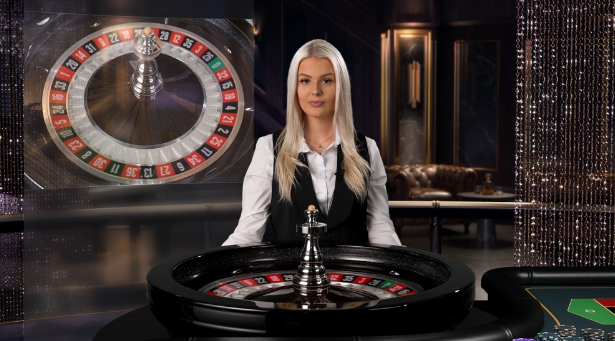
That’s why real-time products like tamasha bet casino live fit the direction of modern entertainment. The appeal isn’t only gambling mechanics. It’s the format: live video, human hosts, a sense of presence, and a clear beginning-and-end rhythm to every round.
Real-time feels more “real” than polished UI
A big chunk of younger users are allergic to anything that looks overly manufactured. They can smell fake engagement tactics from a mile away. Live casino, when done properly, has imperfections. A dealer reacts, a table resets, chat moves, the wheel spins in real space. Those little signals add authenticity.
It’s the same logic behind the dominance of live creators and behind-the-scenes content. People like watching something unfold, not just consuming the final output.
It matches the way younger users already consume entertainment
Real-time platforms fit into the same mental category as livestreams and multiplayer games. There’s a shared “now.” That matters.
Younger audiences tend to prefer experiences that are:
- time-based rather than menu-based
- interactive rather than purely observational
- easy to drop into without a long setup
Traditional casino apps can feel like shopping catalogs. Real-time platforms feel like rooms you enter.
Social energy without heavy commitment
Not everyone wants to join a community, but most people like the feeling that other humans are present. Live casino achieves that with minimal effort. Chat exists. The dealer is a visible anchor. There’s a sense of being part of a table, even if the user never types a word.
For younger users, this “light social layer” is familiar. It’s how they experience everything from gaming to music: nearby people, low pressure, optional interaction.
The UX expectation is shaped by TikTok and streaming
This is where many platforms get it wrong. They think the novelty of live tables will carry the product. It won’t. Younger users judge the experience like they judge any modern app.
- If the stream takes too long to load, they leave.
- If the interface is cluttered, they leave.
- If it feels like a maze of promos and pop-ups, they leave.
Speed and clarity aren’t extras anymore. They’re the baseline.
Short sessions still feel complete
One underrated reason younger audiences like real-time casino formats is that they deliver a full mini-experience quickly. A round is a round. It starts, builds tension, resolves. Even five minutes can feel like “something happened.”
That’s perfect for mobile life. People aren’t always sitting down for an hour. They’re squeezing entertainment into gaps. Real-time casino is structured for that kind of consumption.
They prefer transparency, even if they don’t call it that
Younger users are often more skeptical, not less. They ask questions. They check reviews. They notice when rules are vague. In live casino, part of the process is visible. Cards are dealt on camera. Wheels spin on camera. That visibility helps.
It doesn’t replace regulation or responsible practices, obviously. But it changes perception. It gives a tangible sense that outcomes come from an observable process, not a hidden animation.
Where this goes next
Real-time casino platforms are appealing to younger audiences because they look and feel like modern entertainment: live, social, fast, and watchable even when the user is multitasking. The platforms that win won’t be the ones shouting the loudest. They’ll be the ones that feel effortless to enter, clear to understand, and stable enough to trust – especially on a phone, on the move, in the real world.