E-commerce is no longer just about putting products online and hoping people buy them. The digital marketplace has become more emotional, more competitive, and far more human than it used to be. People don’t simply purchase items because they need them, they buy because something connects with them, whether it’s identity, aspiration, convenience, or even nostalgia.
This shift has forced online businesses to rethink everything from product presentation to customer experience. Instead of focusing only on pricing and features, successful brands now pay close attention to storytelling, emotional appeal, and lifestyle alignment.
When customers browse online stores today, they are often not just shopping, they are exploring who they want to become. That’s where smart e-commerce strategies come in, blending psychology, design, and product positioning into a seamless journey.
Understanding How Emotional Shopping Drives E-Commerce Decisions
One of the most important shifts in online retail is the rise of emotional decision-making. Even when shoppers believe they are making rational choices, emotions often play a much larger role than expected.
For example, colors, product images, and even product descriptions can trigger emotional responses that influence buying behavior. A well-written description can make a product feel more premium, more trustworthy, or more necessary.
E-commerce brands that understand this often design their websites like storytelling platforms rather than digital catalogs. Instead of simply listing products, they guide customers through experiences. This approach helps build trust and reduces hesitation during checkout.
Another important factor is perceived value. When a product feels like it represents something bigger than itself status, identity, comfort, or achievement customers are more likely to buy it even at a higher price point.
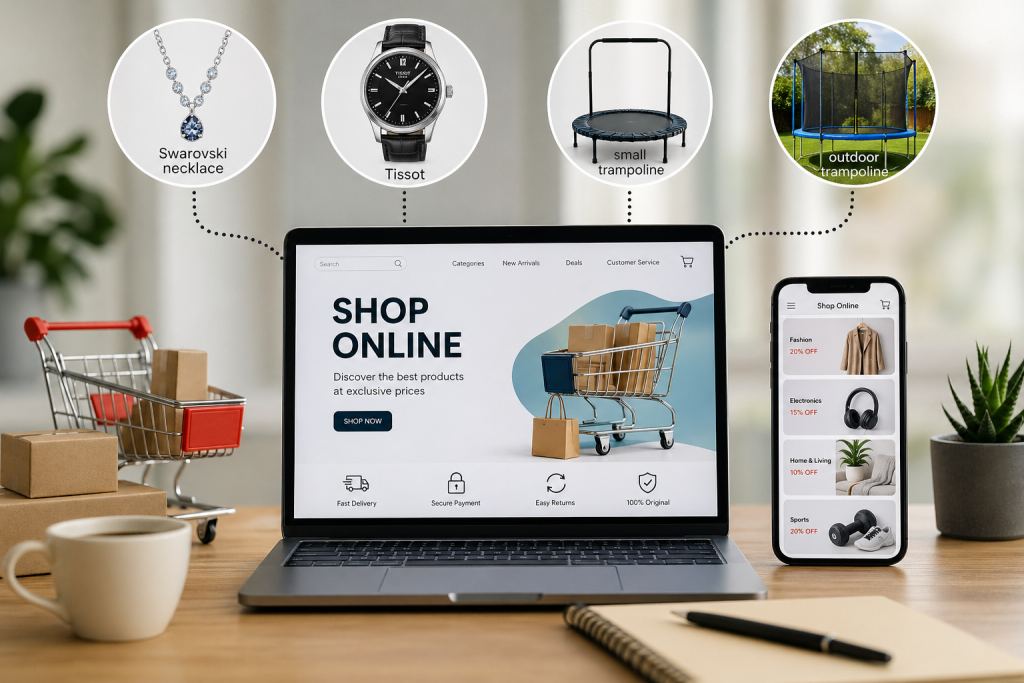
Why a Swarovski Necklace Still Performs Strongly in Online Luxury Jewelry Markets
Luxury jewelry continues to be one of the most emotionally driven categories in e-commerce. Shoppers don’t just buy jewelry for utility, they buy it for meaning. A piece of jewelry often represents love, celebration, achievement, or self-expression.
A Swarovski necklace is a strong example of this dynamic. It sits in a unique position where it offers the appearance of luxury while remaining more accessible than high-end fine jewelry. This balance makes it extremely appealing to online shoppers who want elegance without extreme pricing barriers.
What makes this category particularly successful in e-commerce is how it is presented. High-quality photography, lifestyle imagery, and emotional storytelling play a huge role in converting visitors into buyers. Instead of showing just the product, successful online stores show moments dinners, celebrations, gifts being exchanged, or personal milestones.
Packaging also matters more than many businesses realize. Even in an online transaction, customers imagine the unboxing experience. A beautifully packaged jewelry item creates a sense of excitement and emotional reward that strengthens brand loyalty.
In many cases, customers who purchase jewelry online are not just buying for themselves they are buying for others. This adds another emotional layer, making trust, presentation, and clarity even more important in the buying process.
How Premium Watches Like Tissot Influence Online Purchase Confidence
Watches occupy a very special space in the world of e-commerce because they combine function, fashion, and personal identity. Among the brands that have maintained strong global recognition, Tissot stands out for its balance of heritage and modern design.
When people buy watches online, they are often making a considered purchase. Unlike impulse buys, watches require trust. Customers want to understand materials, durability, movement type, and long-term value before committing.
This is where storytelling becomes essential. Successful online retailers don’t just sell watches, they explain them. They highlight craftsmanship, design inspiration, and brand history in a way that builds confidence.
High-resolution zoom features, 360-degree product views, and comparison tools also play a major role in reducing uncertainty. Since customers cannot physically touch the product, digital presentation must compensate for that missing sensory experience.
Watches are also powerful gifting items. Whether for anniversaries, graduations, or professional milestones, they carry emotional weight. This makes them ideal for e-commerce platforms that focus on premium lifestyle positioning.
The Rising Demand for Compact Fitness Solutions in Online Shopping
Home fitness has become one of the fastest-growing areas in e-commerce, especially as people look for convenient ways to stay active without needing gym memberships or large spaces.
A small trampoline is a great example of how compact fitness products have gained popularity. It appeals to a wide audience, including individuals looking for low-impact workouts and families seeking simple indoor activity options.
What makes this product category successful online is its versatility. Customers are not just buying exercise equipment they are buying convenience. The ability to exercise at home, save time, and avoid crowded gyms is a strong motivator.
E-commerce stores selling fitness products often rely heavily on demonstration content. Videos showing real usage help customers understand how the product fits into daily life. This reduces hesitation and increases trust.
Another important factor is accessibility. Unlike high-end gym equipment, smaller fitness tools are generally more affordable, making them easier to purchase without extensive research.
Over time, customers who start with smaller fitness items often expand into larger purchases, especially when they have positive experiences with the brand.
Seasonal Lifestyle Products and the Growing Popularity of Outdoor Experiences
Seasonal demand plays a powerful role in shaping e-commerce revenue cycles. Certain products perform significantly better depending on the time of year, weather conditions, and family activity trends.
An outdoor trampoline is a strong example of a seasonal lifestyle product that sees increased demand during warmer months. It is often associated with family fun, outdoor recreation, and physical activity for children.
What makes this category particularly interesting is its emotional association. Parents often view it as an investment in their children’s happiness and physical development, not just a recreational item.
Marketing for seasonal products tends to focus heavily on timing. Early promotions before peak season often perform better than last-minute advertising. This allows customers to prepare in advance and creates a sense of anticipation.
Visual storytelling is also extremely important here. Instead of focusing only on product specifications, successful listings show real-life usage, children playing, families spending time together, and outdoor environments that feel warm and inviting.
Seasonal products also benefit from urgency. Limited availability windows naturally encourage quicker purchasing decisions, which can significantly improve conversion rates when managed correctly.
Building Stronger E-Commerce Experiences Through Human-Centered Design
Beyond individual product categories, the real key to e-commerce success lies in how everything is brought together. A strong online store doesn’t just sell products, it creates an experience that feels natural, engaging, and easy to navigate.
One of the most important elements is clarity. Customers should never feel confused about what a product is, how it works, or why it is valuable. Simple descriptions, clean layouts, and intuitive navigation all contribute to better user experiences.
Another important factor is trust. Reviews, return policies, and transparent communication help reduce uncertainty. In online shopping, trust often matters more than price.
Personalization is also becoming increasingly important. When customers see recommendations tailored to their interests, they are more likely to stay engaged and explore additional products.
Finally, mobile optimization cannot be ignored. A large percentage of online shopping now happens on mobile devices, meaning that speed, responsiveness, and usability directly impact revenue.
Conclusion
E-commerce continues to evolve into a more emotionally intelligent and experience-driven industry. Success no longer depends only on having the right products but on how those products are presented, understood, and emotionally connected to customers.
When brands focus on storytelling, trust-building, and user experience, they create stronger relationships with their audience. This leads not only to higher sales but also to long-term loyalty in an increasingly competitive digital marketplace.