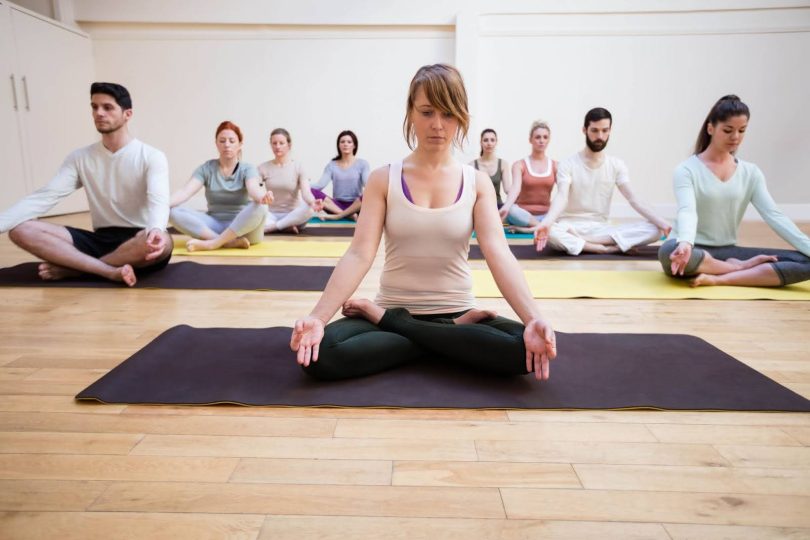

Getting serious about yoga sounds good until you actually try it. The jump from casual practice to committed practitioner is bigger than most people expect. You will face challenges you did not see coming. But you will also discover things about yourself that occasional classes never reveal. Here is what you should know before diving deeper.
Your Body Will Hurt in New Ways
Practicing more often means your body works harder. Muscles you barely used before suddenly get activated all the time. This creates soreness in weird places like the arch of your foot, the space between your ribs, or deep in your hip flexors.
This is usually good pain. Your body is adapting and getting stronger. But it feels rough at first. You might wonder if you are doing something wrong. Usually, you are not. You are just asking your body to do more than it has before.
Real injuries also happen, though. Going from two classes weekly to daily practice is a big jump. Your body needs time to build capacity. Pushing too hard, too fast, leads to strained muscles or inflamed joints. Increase practice time gradually instead of jumping straight to daily intense sessions.
The Mental Stuff Gets Real
Casual yoga feels nice and relaxing. Serious practice brings up emotions you did not know were there. Hip openers might make you cry for no obvious reason. A deep backbend could trigger anxiety. This is not abnormal or wrong.
Yoga teacher training in Bali programs prepare you for this. But it still catches people off guard. Your body stores emotional tension. Consistent practice releases it. This can feel uncomfortable or confusing. You might need support processing what comes up.
Some people find therapy helpful alongside serious practice. Others lean on teachers or the community. You do not need to handle intense emotions alone. Knowing this stuff happens helps. It is part of practice, not a sign that something is broken.
Your Social Life Might Shift
Early morning practice means early bedtimes. You start declining late-night plans. Friends who do not practice might not get why you prioritize yoga over socializing. This can create distance in relationships.
Some friendships deepen as you change, while others fade. This happens whenever someone grows or shifts priorities. It can feel lonely. You are not doing anything wrong by choosing practice over parties. But acknowledging the social cost helps you navigate it intentionally.
You might also find a new community through yoga. People who share your commitment understand your choices. Yoga instructor courses introduce you to others on similar paths. These connections can become deep friendships based on shared values.
The Costs Add Up Fast
Serious practice costs money. Classes add up. Workshops and training are expensive. Props, clothes, and mats that actually support daily practice cost more than beginner gear. You might want to attend retreats or study with specific teachers.
Budget for this before committing. Figure out what you can actually afford. Monthly class packages usually cost less per class than drop-ins. Investing in one good mat lasts longer than buying cheap ones repeatedly. Prioritize what matters most to you.
Some people work toward yoga teacher certification in Bali partly because it is a big investment in their practice. The intensive study and training deepen their understanding significantly. But it is not cheap. Plan financially if this interests you.
Progress Gets Weird and Non-Linear
You will not improve steadily. Some weeks, you feel strong and flexible. Other weeks, you feel tight and weak for no clear reason. Poses you could do yesterday might feel impossible today. This is normal but frustrating.
Women especially notice practice changes with their cycle. Energy, flexibility, and focus shift throughout the month. Learning your patterns helps. You stop taking rough days personally when you understand the why behind them.
Progress also stops looking like Instagram led you to believe. Getting into a fancy pose matters less than you thought. Breathing smoothly through a simple sequence becomes the accomplishment. Your definition of advancement changes completely.
Teachers Matter More Than You Realized
Finding good teachers becomes crucial. Not every yoga teacher can support serious practitioners. Some specialize in beginners. Others focus on specific styles or populations. You need teachers who meet you where you are and push you appropriately.
Yoga training retreats in Bali expose you to different teaching styles and philosophies. This helps you understand what you actually need versus what looks good. A teacher with perfect alignment cues might not give you the spiritual depth you crave. A teacher focused on meditation might not challenge your physical practice enough.
You might study with multiple teachers for different aspects. One for alignment and anatomy. Another for philosophy and meditation. This is fine and often beneficial. Your practice does not need to fit one style or approach completely.
You Will Question Everything
Serious practice makes you look closely at your life. Choices that used to seem fine suddenly feel off. You might start reconsidering your job, your relationships, where you live, what you eat, or how you spend free time.
This can feel destabilizing. Yoga tends to clarify what matters to you. When your current life does not match those values, discomfort arises. Some people make big changes. Others find ways to shift within existing structures.
Not everyone needs to quit their job and become a yoga teacher. But expect practice to affect how you see things. Holistic yoga education approaches recognize this. They prepare students for yoga, changing their priorities and perspectives.
Your Practice Becomes Very Personal
What worked for you at first might stop working. You might need to adjust styles, times, or approaches. Your practice should serve you. Not the other way around.
This means sometimes doing what teachers or traditions say you should not do. Maybe you skip parts of sequences that hurt your body. Maybe you mix styles that purists say should not mix. Taking your practice seriously means making it actually yours.
You learn through trying different things and paying attention. What leaves you feeling energized versus what depletes you? What helps you sleep better versus what amps you up too much? Your body constantly gives you this information. Listening to it matters way more than following any rules.
Community Can Support or Complicate Things
Finding your people helps enormously. Having friends who get why you practice makes a difference. You can share struggles and celebrate breakthroughs. Community keeps you motivated when personal drive wanes.
But yoga communities can get weird, too. Competitive attitudes creep in. Judgment about how people practice happens. Drama and gossip exist everywhere, including yoga studios. Managing these dynamics takes awareness and boundaries.
Bali yoga instructor training programs create intense temporary communities. The bonds formed can be strong. But they also sometimes fall apart once everyone returns home. Learning to navigate yoga community dynamics helps you find genuine connection without getting burned.
The Benefits Sneak Up on You
You probably started yoga for physical reasons like flexibility, strength, or general fitness. Serious practice delivers mental and emotional benefits that completely overshadow the physical ones. Better stress management. Increased self-awareness. More emotional regulation. A deeper sense of purpose.
These changes happen so gradually that you barely notice them day to day. But six months in, something clicks. You realize you handled a crisis calmly that would have completely wrecked you before. You set a boundary without drowning in guilt. You let go of something that was not serving you anymore.
These shifts justify the time and effort and money. The physical practice is the vehicle. Where it takes you internally makes everything worthwhile. This is what keeps people practicing for decades. Not the poses themselves, but how practice changes who you are.
You Might Not Like It Sometimes
Commitment means showing up even when you really do not feel like it. Some practices will feel boring, frustrating, or completely pointless. You will resent the time it eats up. Wanting to quit will hit you occasionally.
This is not the same as burnout or injury, though. This is just what happens when you do anything consistently over time. Not every practice will feel transcendent or special. Most will actually be pretty ordinary. This is completely fine and totally expected.
The trick is distinguishing between normal resistance and a genuine need for a break. Normal resistance passes if you just get on your mat. Genuine need for rest does not. Learning this difference takes time and self-awareness.
Taking yoga seriously in 2026 can absolutely be worth it. But go in with realistic expectations. The benefits are real, but they come with challenges. The growth is genuine but sometimes uncomfortable. Know what you are signing up for. Then commit fully and see where it takes you.