
Key takeaways
- Modern electrical projects are capable of reducing energy consumption by 20-40% if you phase them correctly.
- You do not need to do everything at once start with low cost controls and lighting.
- Good data and real case studies makes the conversation about budgets a lot more easy.
- Modern systems provide added comfort, safety and learning environment, all at the same time.
Why Schools Are Changing Electrical Systems
When I discuss energy costs in facilities with facility directors, they almost never begin with energy costs.
Electricity silently corrodes the operating budget. In the U.S., energy often takes up 2 – 4% of overall K-12 spending which competes with teachers, programs and overdue repairs. Every dollar that you send to the utility is one less that you can put into students.

Many schools are also operating on 1970s or older infrastructure. Old panels, exhausted wiring and failing controls make outages a more common occurrence and inspections stressful. One superintendent said to me, half joking I must say, that they held their breath whenever a breaker would trip.
On top of that, there are increased sustainability objectives and expectations from communities. Parents want to know what the district is doing about the climate. Students are aware of when buildings are wasteful. That pressure is bringing actual change.
Determining Your School’s Electrical And Energy Baseline
Before you get a replacement for one particular bulb, you need one clear picture.
An energy audit is often the first progress to set. A good one looks at panels, breakers, lighting, the hvac system, plug loads and schedules. I’ve seen audits within school districts that show 25-35% potential energy efficiency gains, without touching the building envelope at all. That is huge.
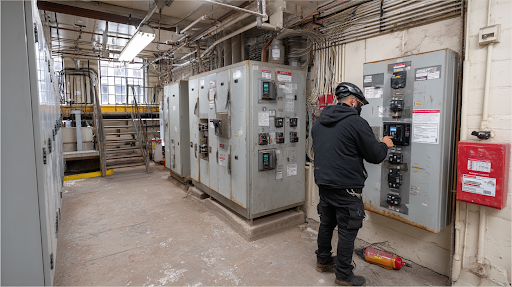
From there, electric mapping of your infrastructure can help you avoid surprises. Document what panels feed the panels to which wings, where major loads are situated, and where capacity is tight. On one occasion, I did see a project get stalled out for months because no one knew the main panel was already maxed out.
Then you look for quick wins. What Will You Have The Time To Do Over The Summer – A Long Weekend? Simple controls schedule tweaks and conversions in targeted upgrades often pay back in under 2 years.
Lighting Upgrades To Reduce Costs Fast With Modern
Lighting is generally the one place it is easiest to begin to improve energy efficiency.
Fluorescent and metal halide fixtures waste lots of power and require lots of upkeep. Substituting them with leds or other energy-efficient methods can reduce the energy of lighting usage by 40-60%. One high school in the middle range of student population that I worked with reduced its lighting electricity use by roughly half after a districtwide upgrade. The maintenance crew is not a fan of climbing ladders on a monthly basis.
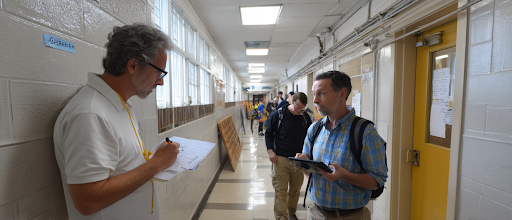
Baudoxer Smart controls put another layer on top Occupancy sensors in restrooms and storage rooms, daylight dimming in corridors and time scheduling for the gym and fields all contribute to schools reducing energy without annoying teachers.
The middle of the building is where you often see the biggest opportunity: classroom lighting. When you combine better fixtures, dimming and just simple scenes, for the presentations or tests, you improve the comfort and cut the waste simultaneously.
Smarter Controls For HVAC & Building System
The biggest energy load in most campuses is the hvac system. Heating and cooling may have a strong tendency to outstrip lighting in total energy use.
Modern energy management systems have a central hub connecting electrical panels, boilers, chillers, and air conditioning together through a single configuration. And you can schedule run times around bell schedules, after School events and Holidays instead of running everything from 5am to 7pm ‘just in case’. One district I advised reduced HVAC electricity by around 20% simply by getting schedules tightened up.
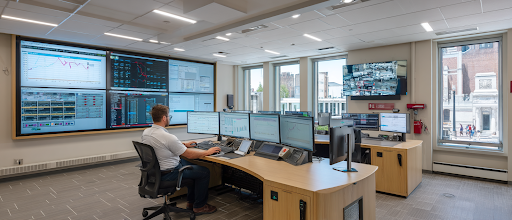
Programmable controls and zoning are of importance too. A smart thermostat per each zone allows to not cool empty wings. When heating and cooling systems are responsive to real occupancy, you have a good chance of considerably reducing waste and grumbling.
Over time, these controls form the backbone of energy management, more so when you add to them more advanced equipment.
Upgrading Electrical Panels, Wire And Circuits
And at some point, controls and lighting improvements reach a wall: the existing electrical backbone.
You may find them having frequent breaker trips, hot panel covers or no spare spaces left. That is your system telling you that it’s done growing. There was one school building where I remember that every time a new copier was bought, I knew I was guessing which circuit would work and which would die. Not a great strategy.
Modern panels with metering provide you with real data. You can see which wings are spiking in terms of energy use, which circuits are never resting, and where an old motor is dragging everything down. Such information bolsters better energy efficiency projects and safer operation.
Sometimes you also require rewiring or rebalancing of circuits. Cleaning up the overloaded circuits, replacing brittle type insulation, and/or adding grounding is important, and just as important are the reliability and safety benefits that can result from these improvements.
Reducing Plug Loads And Classroom Technology
Even with certain good lighting, and controls, plug loads continue to creep up.
Laptops, tablets, chargers, document cameras, and AV racks all add to the use of energy. Many schools have these devices turned on 24/7 because no one has the off switch. I have passed empty computer labs glowing at midnight.
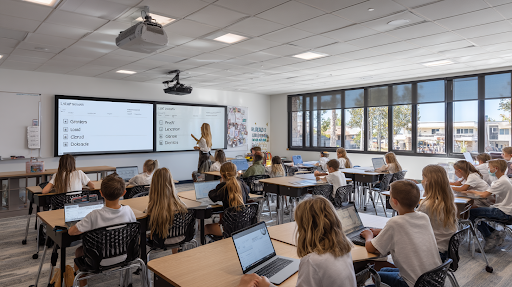
You can begin with some simple steps. Central management of devices can send sleep settings to student laptops. Smart power strips automatically turn off idle equipment after some period of time. Controlled receptacles with a connection to a sensor or scheduled cut or shut power off rooms when they are without people.
Education matters too. When teachers and students and staff have an understanding of how much energy is wasted by small devices, they usually help schools change habits. Student led “energy patrols” can be surprisingly effective.
Combining Solar, Storage, And EV Infrastructure
Once getting the basics in place, many districts look at renewables.
Solar panel projects on roofs or carports make sense after you increase the energy efficiency in schools first. Otherwise you waste the size of the array. I worked with a district that hosted led lighting, controls and solar all together on three campuses and saw combined utility bills drop by over a third.

Battery storage Adds resiliency. It can outage critical circuits during outages and peak-shave during demand charges. That helps in supporting long-term energy management.
Then there is staff and bus charging for EVs. Those loads can stress older infrastructure. Integrating future service upgrades, planning panels and the ability to charge off are all solutions that will be important in the future, and a headache to repair now as fleets electrify.
Financing, Incentives, And Following Through on Your Projects
The big question is usually, “How do we pay for this?”
Utility rebates and state or federal incentives are available that can foot the cost of a significant portion of lighting, controls, and hvac system upgrades. I have seen rebates cover from 20-40% of project costs, particularly for led lighting and advanced controls. It takes paperwork, but it is a return that is real.
A phased plan helps. Do low cost high impact work first, and you can proceed to deeper retrofits as the savings make the budget. Match up projects with summer breaks, as well as periods when you are bonding cycles so you are not tearing up ceilings during exams.
When you present to boards, do not focus on payback years and wait instead for total cost of ownership, safety and the learning environment. That framing lands better.
Measuring Results And Maintaining Optimization of Systems
Energy projects are not “set it and forget it.”
You need baseline data from utility bills and preferably submeters. Then there is something to compare after every update. Some districts use simple dashboards so principals can view energy use resources on a monthly basis. That avoid horseness keeps everyone involved.
Preventive maintenance is more important when dealing with modern gear. Panels require periodic checking, connections require tightening and controls require software updating. Skipping this can wildly erode energy efficiency in a more silent way, away from view, over time.
Schools I like seeing get feedback following projects. Are rooms too bright, too dim, to cold in the a.m.? Small changes to schedules, setpoints or the lighting system can make a huge difference and keep savings on track.
When To Give A Call To An Electrical Professional
There is a distinct boundary between what you have in-house staff members can do and what they should not touch.
Simple tasks such as changing a bulb or simple installation of a sensor is one thing. Panel replacements, new feeders, and code driven upgrades are where licensed electricians comfortably belong in lieu of understanding school safety requirements and inspections. And I have witnessed panels work on DIY sites to cause expensive delays when the inspectors come calling.
When you are choosing partners, look for experience with K-12, tight schedules, and busy campuses. Ask for case studies and references of other school districts.
The best projects are a collaboration. Your facilities team knows the buildings; the contractor adds depth in technology. Together they help schools to improve their sustainability, comfort and long-term resilience.
FAQs
How much is a typical school able to save with electrical system modernisation?
Many projects offer 20-40% energy saving depending on your starting conditions, climate and the extent to which you are prepared to go with your upgrades and controls.
If we are limited in our funding, where should our school begin?
Start at the audit, then you should go for low-cost controls, led lighting, and scheduling changes before you even get into the deeper modification of mechanical or insulation work.
How long do electrical and lighting improvements take in an active school?
Smaller ones slip in as weekends or breaks; larger ones are often spread out over summers to not interfere with classes.
Do modern electrical systems help improve the learning environment?
Better lighting, stable temperatures and less noisy equipment help students focus and make teachers less complaining about their comfort.
How often should we update or review our self electrical modernization plan?
Review annually, every one to three years, or when programs, technology, and/or sustainability goals change in your district.