
Choosing an early learning centre is a big decision for any parent. You want a place where your child feels comfortable, makes friends, and has plenty of opportunities to learn and explore.
But when you start looking into different centres, you’ll quickly discover that not every approach to early education is the same. Montessori, Reggio Emilia and Waldorf are three well-known learning philosophies, each with its own ideas about how young children develop.
While they all encourage curiosity and support children’s growth, they take slightly different paths. Knowing these differences can help you decide what kind of environment might suit your child.
Montessori: Learning to do things independently
The Montessori approach strongly emphasizes independence and learning at an individual pace. Rather than having every child complete the same activity at the same time, children are encouraged to choose from a range of carefully prepared activities that interest them.
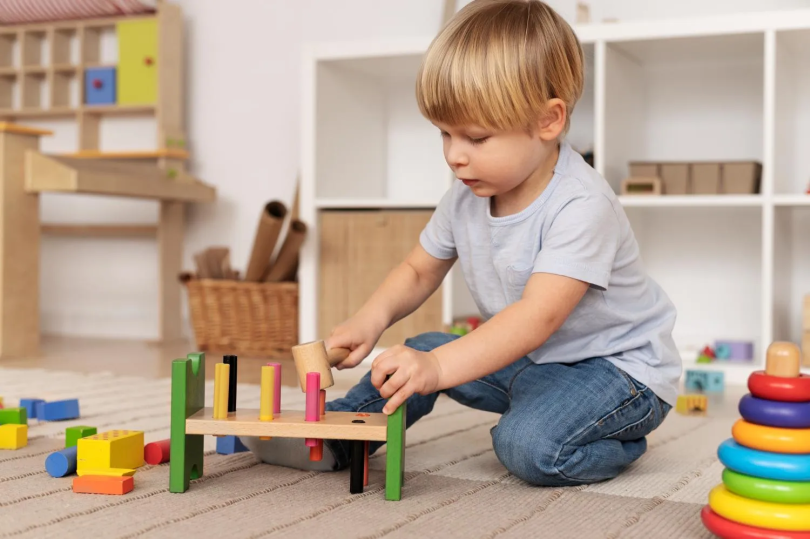
In a Montessori classroom, you’ll often find practical learning materials, child-sized furniture, and spaces arranged to encourage independent exploration. Children might practise everyday tasks, work with puzzles, explore numbers or develop their language skills through hands-on activities.
Educators, like those in the early learning centre in Vermont, take on a more guiding role, observing children and introducing activities that support their development rather than directing every moment of the day.
This approach may appeal to parents who want their children to build confidence, develop problem-solving skills, and become comfortable doing things for themselves. Even simple activities, such as packing away toys or preparing a snack, can become opportunities to practise independence.
Reggio Emilia: Following curiosity and creativity
Reggio Emilia takes a slightly different approach, focusing on children’s interests, creativity and relationships with others. The philosophy sees children as capable learners who develop their understanding of the world through exploration, communication and collaboration.
Instead of following a strict set of activities, educators notice what children are curious about and use those interests to shape learning experiences.
For example, if a group of children becomes fascinated by insects in the garden, educators might encourage them to draw what they see, look at different insects, ask questions, and create a project around their discoveries.
Art, music, storytelling, construction and imaginative play all have an important place in this approach. The learning environment also plays a huge role, with thoughtfully arranged indoor and outdoor spaces designed to encourage exploration.
Reggio Emilia may suit children who enjoy experimenting, expressing their ideas, and learning alongside others. It also gives educators plenty of opportunities to build on the questions and interests that naturally come up during the day.
Waldorf: Learning through imagination and nature
Waldorf education, also known as Steiner education, takes a more holistic approach to early childhood development. It places considerable value on imagination, creativity, nature, and predictable daily routines.
Rather than introducing formal academic learning too early, Waldorf-inspired environments often focus on storytelling, music, movement, craft activities, and imaginative play.
Natural materials such as wood, wool, fabric and other simple resources are commonly used in play spaces. Outdoor experiences are also important, giving children opportunities to connect with nature and learn through their surroundings.
Daily rhythms and familiar routines help create a sense of security, while creative activities allow children to explore ideas in their own way.
This approach may appeal to families who value imaginative play, hands-on experiences and a slower, less structured introduction to formal learning.
What do these approaches have in common?
Although Montessori, Reggio Emilia and Waldorf have different philosophies, they share some important ideas. All three recognise that young children learn through experience, relationships and opportunities to explore their surroundings.
They also place value on the educator’s role in supporting development rather than simply delivering information. Whether a child is building something, painting a picture, or practising an everyday task, the experience can build communication, confidence, coordination, and problem-solving skills.
It’s worth remembering that early learning centres don’t always follow just one philosophy. Some draw on several approaches and combine them with the Australian Early Years Learning Framework.
This means two centres describing themselves as child-led or play-based may offer quite different experiences, so it’s important to look at what actually happens throughout the day.
How to find the right early learning centre
When comparing options, think about your child’s personality, interests and current stage of development. Do they enjoy doing things independently, or do they prefer group activities? Are they happiest outdoors, getting creative or exploring practical tasks?
These preferences can give you a starting point, but don’t feel you need to choose a philosophy based on your child’s personality alone. Children are still discovering what they enjoy, and a good learning environment should give them room to try new things.
If you’re visiting an early learning centre in Vermont, take the opportunity to look around and ask educators about their daily routines, learning activities, and how they support individual children.
Pay attention to how educators interact with the children. Do they seem patient and approachable? Are children comfortable asking questions and getting involved? Does the environment feel welcoming, safe and engaging?
It’s also worth asking how the centre communicates with families and how educators keep parents informed about their child’s progress.
Bottom Line
No single learning philosophy works best for every child. Montessori, Reggio Emilia and Waldorf each offer valuable ways to support early development, but the quality of the educators and the environment matters just as much as the approach itself.
Take your time, visit a few centres and think about where your child seems most comfortable. The right early learning environment is one where they feel supported, have opportunities to explore, and can enjoy being themselves while learning something new every day.