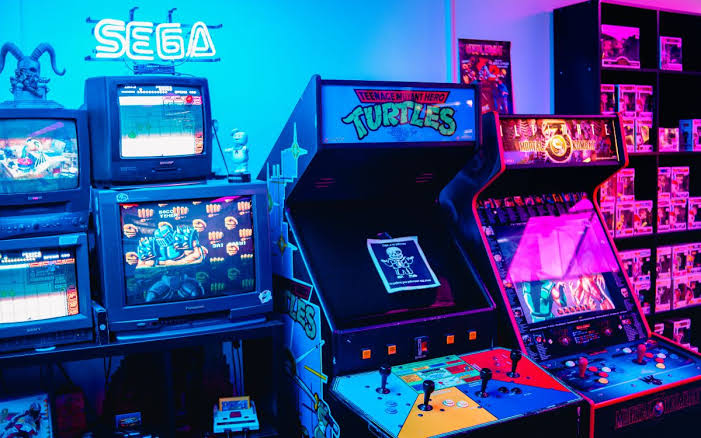

Gaming entertainment has become an important part of modern digital culture, offering people a way to relax, explore new ideas, develop skills, and connect with others. From mobile puzzles and computer games to online multiplayer adventures, gaming provides a wide range of experiences for different ages and interests. In a busy world where people balance work, education, and personal responsibilities, enjoyable activities can help create a healthier daily routine. Gaming is not a replacement for real-life responsibilities, but when enjoyed in moderation, it can offer meaningful entertainment and opportunities for personal growth.
Gaming Provides a Way to Relax and Recharge
One of the main reasons people enjoy Jablay123 gaming is its ability to provide a break from everyday routines. After a demanding day at work or school, playing a favorite game can offer a change of focus and a pleasant way to spend free time. Casual games, racing challenges, adventures, and puzzles provide different forms of enjoyment depending on a player’s mood and preferences.
Relaxation through gaming works best when people maintain a healthy balance. Taking a short break to enjoy a game can be refreshing, while playing for excessive periods may interfere with sleep, physical activity, and other responsibilities. Setting reasonable limits helps people enjoy entertainment without allowing it to dominate their schedules.
Gaming Encourages Problem-Solving Skills
Many games ask players to analyze situations, recognize patterns, plan actions, and make decisions. Strategy games may require players to manage limited resources, while puzzle games encourage logical thinking and careful observation. Adventure games often present obstacles that players must overcome by experimenting with different approaches.
These experiences can provide enjoyable opportunities to practice problem-solving. Players may learn to assess options, adapt when a plan fails, and consider the consequences of their choices. Although skills developed in games do not automatically transfer to every real-world situation, certain game experiences can encourage habits such as persistence, planning, and flexible thinking.
Gaming Brings People Together
Entertainment is often more enjoyable when it creates opportunities for social interaction. Online multiplayer games allow friends and family members to play together even when they live far apart. Team-based challenges encourage communication, coordination, and shared decision-making, while gaming communities give people a place to discuss strategies, exchange ideas, and celebrate achievements.
Gaming can also help people meet others who share similar interests. However, healthy communication remains essential in online environments. Players should treat others respectfully, avoid harassment, and protect their personal information. Choosing positive communities makes gaming more welcoming and helps create better experiences for everyone involved.
Gaming Supports Creativity and Imagination
Many modern games provide opportunities for creative expression. Players may design characters, build virtual cities, decorate environments, create levels, or develop their own stories. Sandbox games, in particular, allow people to experiment with ideas without following a single fixed path.
Creative gaming can encourage experimentation and imaginative thinking. A player building a virtual environment may consider space, design, color, and organization, while someone creating a custom level may think about challenges and how other players will experience it. These activities demonstrate that gaming can be more than following instructions; it can also become a platform for making and sharing original ideas.
Gaming Creates Opportunities for Learning
Educational games use interactive activities to make learning more engaging. Language games can help learners practice vocabulary, while history-based adventures may introduce historical settings and events. Science simulations can allow players to explore concepts through virtual experiments, and mathematical puzzles can make numerical challenges more enjoyable.
Even entertainment-focused games may introduce players to new subjects, cultures, technologies, or unfamiliar environments. The educational value depends on the game’s content and how it is used. Combining games with reading, discussion, practical activities, and other learning methods can create a more complete educational experience.
Gaming Builds Confidence Through Progress
Many games divide larger challenges into smaller goals. Players might complete a level, improve a personal score, discover a hidden area, or master a difficult technique. These milestones provide visible feedback and can make progress feel rewarding.
Learning through repeated attempts can also encourage patience. When players understand why a particular strategy failed, they can adjust their approach and try again. This process can help them become more comfortable with challenges. It is important, however, to remember that progress in a game is only one form of achievement and should not become the main measure of personal success.
Technology Makes Entertainment More Accessible
Gaming technology has expanded the ways people can enjoy digital entertainment. Smartphones provide convenient access to casual games, computers support complex simulations and creative experiences, and consoles offer specialized gaming features. Cloud-based services can also make selected games available on supported devices without requiring every game to run entirely on local hardware.
Accessibility features are equally important. Adjustable controls, subtitles, color options, difficulty settings, and other support tools can help more people participate. As developers continue improving these features, gaming can become more inclusive and suitable for a broader range of preferences and abilities.
Why Balance Is Essential
Although gaming offers many potential benefits, responsible habits are necessary. Spending too much time playing may reduce physical activity, interrupt sleep, affect school or work performance, and limit face-to-face interaction. Players can avoid many of these problems by deciding when to play, taking regular breaks, and maintaining time for exercise, relationships, and other interests.
Parents and guardians can support younger players by choosing age-appropriate games, discussing online safety, and setting consistent routines. Adults can also benefit from monitoring their habits and recognizing when entertainment begins to feel stressful rather than enjoyable.
Online safety should remain a priority. Players should use strong passwords, avoid sharing private information, and be cautious about suspicious links, unknown downloads, and misleading offers. Good gaming habits include protecting both personal well-being and digital security.
The Future of Gaming Entertainment
Gaming entertainment will likely continue changing as artificial intelligence, virtual reality, augmented reality, and cloud technology develop. Future experiences may offer more responsive characters, immersive environments, creative tools, and ways for players to interact across different devices.
These developments can create new opportunities for entertainment and learning. However, successful gaming experiences will still depend on thoughtful design, accessibility, privacy, and respect for players’ time. Technology is most valuable when it improves enjoyment without encouraging unhealthy habits or unnecessary spending.
Final Thoughts
Gaming entertainment matters because it offers relaxation, social connection, creative expression, learning opportunities, and enjoyable challenges. It gives people different ways to use their free time while exploring digital worlds and sharing experiences with others. Its value depends on choosing suitable games and maintaining balance with everyday responsibilities. By playing responsibly, protecting online privacy, and making time for other activities, people can enjoy gaming as a positive part of modern life. Ultimately, gaming is most rewarding when it brings enjoyment, encourages curiosity, and supports a healthy balance between digital entertainment and the real world.