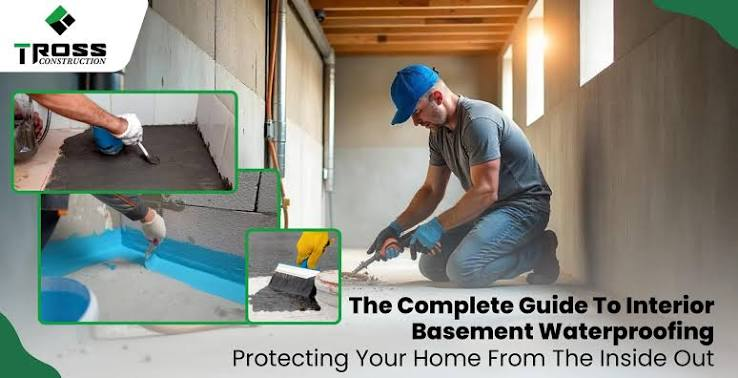

A dry basement is one of the most important factors in maintaining a safe, comfortable, and structurally sound home. While many homeowners focus on visible areas like the roof, siding, or landscaping, the foundation quietly supports the entire structure every day. When water begins to seep through basement walls or floors, the damage often starts slowly and remains hidden until it becomes a serious and expensive problem. Moisture can weaken the foundation, create unhealthy indoor air conditions, damage valuable belongings, and encourage mold growth that spreads throughout the home. Because of these risks, investing in professional waterproofing is not simply a repair, it is a long-term investment in the property’s durability and value.
Modern waterproofing methods have advanced significantly over the years, offering homeowners reliable solutions that address both existing water issues and future risks. Professional contractors evaluate every part of the foundation, identify the source of moisture, and recommend customized systems that provide lasting protection instead of temporary fixes. Whether your basement is unfinished, used for storage, or transformed into additional living space, protecting it from water intrusion helps preserve the integrity of your entire home. Understanding how waterproofing works, recognizing early warning signs, and knowing when to seek professional assistance are all essential steps toward preventing costly structural damage in the future.
Understanding Why Basements Develop Water Problems
Water naturally follows the path of least resistance, and a home’s foundation is constantly exposed to moisture from the surrounding soil. During periods of heavy rainfall or snowmelt, the ground becomes saturated, increasing hydrostatic pressure around the basement walls. This pressure forces water toward the foundation, where it searches for even the smallest cracks, gaps, or porous surfaces to enter the structure. Many homeowners mistakenly believe that visible flooding is the only indication of a waterproofing problem, but even minor dampness can signal a much larger issue developing beneath the surface.
In addition to groundwater pressure, poor drainage around the property contributes significantly to basement moisture problems. Improper grading allows rainwater to collect near the foundation instead of flowing away from it. Clogged gutters overflow during storms, dumping large volumes of water directly beside the home. Downspouts that discharge too close to the foundation further increase the amount of moisture surrounding basement walls. Over time, this constant exposure weakens construction materials, enlarges existing cracks, and creates conditions that encourage mold and mildew growth. Without professional intervention, these problems gradually worsen and become increasingly expensive to repair.
The Hidden Risks of Ignoring Basement Moisture
Many homeowners postpone repairs because the early signs of water intrusion appear harmless. A slight musty odor, a damp corner, or minor discoloration on the wall may seem insignificant, but these symptoms often indicate moisture that has been present for months or even years. Water rarely remains confined to one area. Instead, it slowly spreads through concrete, insulation, drywall, wooden framing, and flooring materials, causing progressive deterioration that often goes unnoticed until substantial damage has already occurred.
Excess moisture also creates an ideal environment for mold spores to multiply rapidly. Mold affects not only building materials but also indoor air quality, potentially triggering allergies, respiratory irritation, and unpleasant odors throughout the home. Wooden support beams may begin to rot, metal components can corrode, and stored furniture, documents, and personal belongings may suffer irreversible damage. In severe situations, prolonged water exposure compromises the structural stability of the foundation itself, leading to repairs that cost significantly more than preventive waterproofing would have required. Addressing moisture problems early protects both the home’s value and the health of everyone living inside.
Common Warning Signs That Should Never Be Ignored
Basement water problems rarely appear overnight. Instead, they usually provide several warning signs that homeowners should recognize before serious structural damage develops. One of the most common indicators is a persistent musty smell that remains even after cleaning. This odor often results from hidden moisture trapped behind finished walls or beneath flooring materials where mold can thrive without being immediately visible.
Another common warning sign is the appearance of white, chalky deposits on concrete walls or floors. Known as efflorescence, these mineral deposits form when water travels through masonry surfaces and evaporates, leaving minerals behind. Homeowners may also notice peeling paint, bubbling wall finishes, rust on metal fixtures, warped wood, or damp carpeting. Hairline foundation cracks can gradually widen as water repeatedly enters and freezes during seasonal temperature changes. Even small puddles appearing after heavy rainfall should never be dismissed, as they often indicate drainage problems or increasing hydrostatic pressure around the home’s foundation. Early inspection by experienced professionals allows these issues to be corrected before they escalate into much larger structural concerns.
Why Professional Basement Waterproofing Is a Smart Investment
Choosing professional basement waterproofing services offers homeowners far more than temporary protection against leaks. Experienced specialists begin by performing a detailed inspection to identify every potential source of moisture rather than simply repairing visible symptoms. This comprehensive approach ensures that hidden vulnerabilities are addressed before they develop into recurring problems. Instead of relying on surface sealants alone, professional contractors design complete waterproofing systems tailored to the specific conditions surrounding each property.
A properly waterproofed basement provides long-term financial benefits that extend well beyond preventing water damage. Maintaining a dry foundation helps preserve structural stability, protects valuable possessions, improves indoor air quality, reduces mold growth, and increases overall property value. Prospective homebuyers often view documented waterproofing systems as a valuable feature because they reduce the likelihood of future repair expenses. Additionally, dry insulation performs more efficiently than damp insulation, allowing heating and cooling systems to operate more effectively while potentially lowering energy costs throughout the year. These long-term advantages make professional waterproofing one of the most worthwhile investments homeowners can make for their property.
Interior Waterproofing Systems and Their Benefits
Interior waterproofing focuses on controlling water after it reaches the foundation while preventing it from entering the usable living space. One of the most effective methods involves installing an interior drainage system beneath the basement floor. These drainage channels collect groundwater before it accumulates inside the basement and direct it safely toward a sump pump, where it is discharged away from the home. Because the system remains hidden beneath the finished floor, it provides reliable protection without affecting the basement’s appearance or usable space.
In addition to drainage systems, professional contractors often install moisture barriers along basement walls to reduce humidity and prevent water vapor from penetrating interior surfaces. Specialized sealants may also be applied to concrete walls to minimize minor seepage while protecting against long-term moisture damage. When combined with proper ventilation and humidity control, these interior waterproofing solutions create a healthier environment while significantly reducing the likelihood of mold growth, unpleasant odors, and damage to finished basement materials.
Exterior Waterproofing Solutions for Long-Term Protection
While interior waterproofing manages water that has already reached the foundation, exterior waterproofing prevents moisture from reaching the basement walls in the first place. This proactive approach is considered one of the most effective methods for protecting a home’s foundation because it eliminates water intrusion before it has the opportunity to cause damage. Professional contractors begin by excavating around the exterior foundation to inspect the condition of the walls, identify cracks, and evaluate any existing waterproofing materials that may have deteriorated over time. Once the surface has been properly prepared, a durable waterproof membrane is applied to create a continuous barrier that blocks groundwater from penetrating the concrete. Additional drainage boards are often installed to direct water downward toward drainage systems while protecting the waterproof coating from soil pressure and damage during backfilling. Although exterior waterproofing requires more labor than some other methods, it provides exceptional long-term protection and significantly reduces the likelihood of recurring basement moisture problems.
Foundation Crack Repair Is Essential for Structural Health
Even the strongest foundations can develop cracks as a result of natural settling, changing soil conditions, temperature fluctuations, or hydrostatic pressure. While small cracks may appear harmless at first glance, they often become entry points for groundwater that gradually enlarges the opening over time. Professional crack repair not only stops water infiltration but also helps restore the structural integrity of the foundation. Contractors use advanced repair materials such as epoxy injections for structural cracks and polyurethane injections for flexible sealing where slight movement is expected. These materials penetrate deep into the damaged area, creating a durable seal that prevents future leakage. Addressing cracks early is considerably more affordable than allowing them to expand into major structural failures that require extensive reconstruction. Regular inspections ensure that newly formed cracks are identified before they become significant problems.
The Importance of Sump Pump Systems
A sump pump is one of the most valuable components of a comprehensive waterproofing system because it actively removes groundwater collected beneath the basement floor before flooding can occur. Installed within a sump basin, the pump automatically activates whenever water reaches a predetermined level, safely discharging it away from the foundation through a dedicated drainage pipe. Modern sump pump systems are designed for reliability and often include battery backup units that continue operating during electrical outages caused by severe storms. This additional protection is especially important because power failures frequently occur during the same weather conditions that produce heavy rainfall. Routine maintenance, including testing the float switch, cleaning the sump basin, inspecting discharge lines, and replacing worn components when necessary, helps ensure the system remains dependable throughout the year. A properly maintained sump pump offers homeowners confidence that their basement will remain protected even during extreme weather events.
Drainage Improvements That Support Waterproofing
Waterproofing systems perform most effectively when combined with proper exterior drainage. Without efficient water management around the home, even high-quality waterproofing materials can be subjected to unnecessary pressure over time. Gutters should remain clean and free of debris so rainwater can flow efficiently toward downspouts instead of overflowing beside the foundation. Downspouts should extend several feet away from the home to prevent water from pooling near basement walls. The grading around the property should slope gently away from the structure, encouraging surface water to drain naturally instead of collecting around the foundation. In many situations, contractors also recommend installing French drains or surface drainage systems to capture excess groundwater before it reaches vulnerable areas. These improvements work together to minimize hydrostatic pressure, significantly reducing the risk of future basement leaks while extending the lifespan of the waterproofing system.
Preventing Mold Through Moisture Control
One of the greatest benefits of maintaining a dry basement is the prevention of mold growth. Mold thrives in dark, damp environments where humidity levels remain consistently high, making neglected basements particularly vulnerable. Once mold begins growing, it can spread rapidly behind walls, beneath flooring, and into ventilation systems, affecting indoor air quality throughout the entire home. Professional waterproofing eliminates the moisture conditions that mold requires, greatly reducing the likelihood of future contamination. Homeowners can further improve basement conditions by maintaining appropriate humidity levels with dehumidifiers, ensuring adequate ventilation, and promptly repairing any plumbing leaks that may develop. A dry basement not only protects building materials but also contributes to a healthier indoor environment for every member of the household.
Protecting Finished Basements and Valuable Belongings
Finished basements often serve as family rooms, home offices, entertainment spaces, guest bedrooms, or fitness areas, making them valuable extensions of the home’s living space. Unfortunately, these finished areas are also particularly vulnerable to water damage. Moisture can ruin drywall, flooring, insulation, electrical systems, furniture, electronics, and irreplaceable personal belongings within a very short period of time. Investing in basement waterproofing before remodeling or finishing a basement provides an additional layer of protection that helps preserve these investments for many years. Even homeowners who currently use their basement primarily for storage benefit from waterproofing because valuable documents, seasonal decorations, family heirlooms, and household equipment remain protected from unexpected flooding and excessive humidity.
Routine Maintenance Helps Preserve Waterproofing Performance
Although professionally installed waterproofing systems are designed for long-term reliability, routine maintenance remains an important part of keeping the basement dry. Homeowners should inspect gutters and downspouts regularly, especially after storms or during seasons when leaves accumulate. Foundation walls should be checked periodically for new cracks or signs of moisture intrusion. Sump pumps should be tested several times each year to verify proper operation, and discharge lines should remain free from blockages that could restrict water flow. Maintaining proper grading around the property, trimming vegetation that traps moisture near the foundation, and monitoring indoor humidity levels also contribute to the long-term effectiveness of the waterproofing system. Preventive maintenance requires relatively little effort but helps avoid costly repairs by identifying small concerns before they become significant problems.
Choosing the Right Waterproofing Professionals
Selecting an experienced waterproofing contractor is one of the most important decisions homeowners can make when addressing basement moisture problems. Reputable professionals perform thorough inspections rather than offering immediate one-size-fits-all solutions. They carefully evaluate drainage conditions, foundation construction, soil characteristics, and visible signs of water intrusion before recommending the most appropriate waterproofing strategy. Homeowners should seek contractors with extensive experience, positive customer reviews, transparent pricing, and strong workmanship warranties. Companies that prioritize education and clear communication help clients understand both the causes of moisture problems and the long-term benefits of the recommended repairs. Working with knowledgeable specialists ensures that the waterproofing system is properly designed, professionally installed, and capable of delivering dependable performance for many years.
Why Waterproofing Adds Long-Term Value
A professionally waterproofed basement offers advantages that extend far beyond preventing leaks. It helps preserve the structural integrity of the foundation, protects valuable possessions, improves indoor air quality, minimizes mold risks, and creates a healthier environment for the entire family. Homes with documented waterproofing systems are often more attractive to potential buyers because they provide reassurance that the foundation has been properly maintained. In addition, preventing water damage reduces future repair costs and allows homeowners to use their basement with confidence throughout every season. Rather than viewing waterproofing as an expense, many property owners recognize it as a practical investment that delivers lasting financial and functional benefits.
Conclusion
Protecting a home’s foundation requires more than responding to visible leaks after they appear. A complete waterproofing strategy combines professional inspection, effective drainage improvements, foundation crack repair, moisture control, sump pump protection, and ongoing maintenance to keep the basement dry throughout the year. Investing in professional basement waterproofing services helps prevent structural damage, mold growth, unhealthy indoor air, and expensive restoration costs while preserving one of the home’s most important structural components. By taking a proactive approach and working with experienced waterproofing specialists, homeowners can enjoy greater peace of mind, increased property value, and a safer, healthier living environment for many years to come.