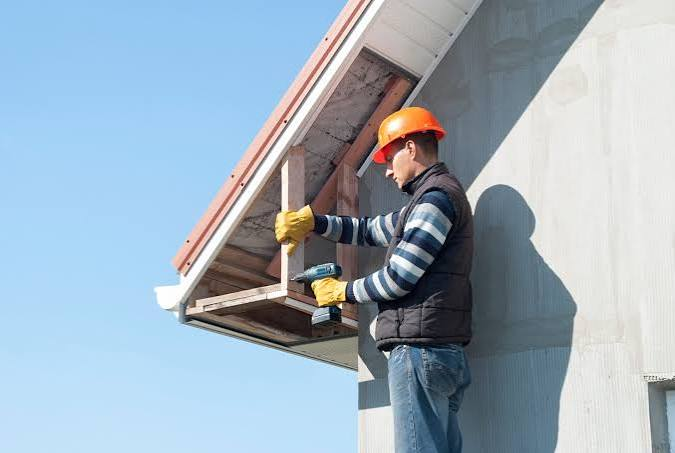

A well-built roofing system is more than just shingles and underlayment. Every component plays an important role in protecting your home from moisture, pests, and structural damage. Among these essential components are the soffit and fascia, which often go unnoticed until they begin to deteriorate. Although they may seem like small parts of the roof, they provide critical protection that helps extend the lifespan of your entire roofing system. Investing in quality soffit and fascia replacement is one of the smartest ways to maintain your home’s exterior while improving its appearance and overall value.
The soffit is installed underneath the roof overhang and allows fresh air to circulate through the attic. Proper ventilation helps regulate attic temperatures, minimizes moisture buildup, and reduces the risk of mold growth. The fascia is the board attached along the roof edge where gutters are secured. It supports the gutter system while protecting the roof’s edge from water infiltration. When these components become damaged due to weather, age, or pests, they should be repaired or replaced before the problem spreads to other areas of the home.
Why Soffit and Fascia Are Essential
Many homeowners focus on replacing roofing materials while overlooking the importance of soffits and fascia. However, these components work together to create a protective barrier around the roofline. Without properly functioning soffits, attic ventilation becomes restricted, allowing excessive heat and humidity to accumulate. This trapped moisture can damage insulation, encourage mold growth, and weaken wooden roof structures over time.
Fascia boards perform an equally important function by supporting gutters and preventing water from reaching exposed roof framing. Since gutters carry thousands of gallons of rainwater away from the home each year, the fascia must remain strong enough to handle this continuous load. When fascia boards begin to rot or weaken, gutters may sag or detach completely, leading to water damage around the home’s exterior and foundation.
Signs Your Soffit and Fascia Need Attention
Recognizing early warning signs can help prevent expensive repairs later. One of the most noticeable indicators is peeling paint around the roofline. Paint often begins to crack or bubble when moisture enters damaged wood. Water stains beneath roof overhangs may also signal deteriorating soffits or leaking fascia boards.
Another common sign is sagging gutters. Since gutters are attached directly to fascia boards, any movement or separation often indicates structural deterioration. Cracked panels, warped wood, soft spots, or visible rot should never be ignored. Birds, squirrels, and insects entering the attic through roof edges also suggest that soffits have become damaged and require immediate attention.Ignoring these problems allows moisture to spread deeper into the roof structure, increasing repair costs and reducing the overall lifespan of the roofing system.
Common Causes of Damage
Several factors contribute to soffit and fascia deterioration. Constant exposure to rain, snow, humidity, and sunlight gradually weakens exterior materials. Poor attic ventilation can trap moisture beneath the roof, causing wood to rot from the inside. Clogged gutters frequently overflow, allowing water to soak fascia boards for extended periods.Storm damage is another major cause of deterioration. High winds may loosen roofing materials while heavy rain forces water into vulnerable areas. Overhanging tree branches can scrape roof edges or provide easy access for animals searching for shelter. In many cases, years of neglected maintenance eventually require complete replacement rather than simple repairs.
Benefits of Professional Replacement
Professional installation offers advantages that extend well beyond improved appearance. Experienced roofing specialists inspect the entire roof edge to identify hidden moisture damage before new materials are installed. This thorough approach ensures structural issues are corrected rather than concealed.
Modern replacement materials also provide greater durability than older products. Vinyl, aluminum, composite materials, and treated wood offer improved resistance against moisture, insects, and weather-related deterioration. Professional installers carefully align every component to maintain proper ventilation and support the gutter system effectively.Another significant benefit is improved curb appeal. Fresh soffits and fascia create clean rooflines that instantly enhance the appearance of any home. Whether planning to sell the property or simply maintain its value, replacing damaged exterior components is a worthwhile investment.
Choosing the Right Material
Selecting appropriate materials depends on maintenance preferences, budget, and architectural style. Wood provides a timeless appearance but requires regular painting and maintenance to protect it from moisture. Aluminum offers exceptional durability while resisting rust and corrosion, making it a popular low-maintenance option.Vinyl products remain one of the most cost-effective choices because they resist moisture, fading, and insect damage. Composite materials combine strength with long-lasting performance, making them ideal for homeowners seeking minimal maintenance over many years.Professional contractors can recommend the most suitable material based on the home’s design and environmental conditions while ensuring compatibility with the existing roofing system.
The Installation Process
A successful replacement project begins with a detailed inspection. Roofing professionals evaluate existing soffits, fascia boards, gutters, roof decking, and ventilation systems to identify underlying problems that must be corrected before installation.Damaged materials are carefully removed while preserving surrounding roofing components whenever possible. If hidden rot or structural deterioration is discovered, repairs are completed before installing new soffits and fascia. Proper ventilation openings are maintained to ensure continuous airflow throughout the attic.After installation, gutters are securely reattached and tested to confirm proper drainage. A final inspection ensures every component fits correctly and provides maximum protection against future weather exposure.
Preventing Future Problems
Routine maintenance helps maximize the lifespan of newly installed soffits and fascia. Homeowners should clean gutters regularly to prevent overflowing water from soaking fascia boards. Roof inspections following severe storms can identify loose materials before moisture causes additional damage.Tree branches hanging near the roof should be trimmed to minimize impact damage and discourage pests from accessing attic spaces. Periodically checking for peeling paint, water stains, or small cracks allows homeowners to schedule repairs before larger structural issues develop.Proper attic ventilation also contributes to long-term performance by reducing excessive humidity that may weaken wooden components over time.
Energy Efficiency and Indoor Comfort
Many homeowners are surprised to learn that soffits contribute directly to energy efficiency. Proper attic ventilation allows warm air to escape while drawing cooler outside air into the attic. During warmer months, this airflow reduces heat buildup that forces air conditioning systems to work harder.In cooler seasons, balanced ventilation minimizes condensation that could damage insulation and framing. By maintaining consistent attic temperatures, soffits help improve indoor comfort while reducing unnecessary strain on heating and cooling equipment.
Why Professional Experience Matters
Roofing systems consist of multiple interconnected components that must function together efficiently. Experienced contractors understand how soffits, fascia, gutters, flashing, ventilation, and roofing materials interact to protect the home. Their knowledge allows them to identify hidden issues that inexperienced installers may overlook.
Professional workmanship also ensures accurate measurements, secure fastening, and clean finishing details that improve both appearance and durability. Investing in experienced roofing professionals provides long-term confidence that every aspect of the project has been completed according to industry standards.If you are considering soffit and fascia replacement, working with skilled professionals ensures your home receives lasting protection and improved curb appeal through quality craftsmanship and dependable materials.
Long-Term Value for Homeowners
Exterior improvements provide more than immediate visual benefits. Properly installed soffits and fascia help prevent water damage, extend roof lifespan, improve ventilation, and reduce future maintenance costs. These advantages contribute to higher property value while protecting one of your most significant investments.A well-maintained roof edge also improves the overall appearance of the property, creating a polished finish that reflects responsible homeownership. Buyers often appreciate homes that demonstrate consistent exterior maintenance because they indicate fewer hidden structural concerns.
Conclusion
Soffits and fascia are essential components that protect your roofing system from moisture, pests, and structural deterioration. They improve ventilation, support gutters, enhance curb appeal, and contribute to the long-term performance of the entire roof. Ignoring signs of damage can lead to expensive repairs that affect far more than the roofline itself.
Scheduling professional inspections and addressing problems early is the best way to preserve the integrity of your home. Whether your current materials have deteriorated with age or suffered storm damage, investing in soffit and fascia replacement provides lasting protection, improved energy efficiency, and enhanced property value. With quality materials, expert installation, and regular maintenance, homeowners can enjoy a stronger, more attractive roofing system for many years to come.