
Understanding the Importance of Professional Pool Construction
A swimming pool is more than just a recreational feature; it is an investment that can enhance outdoor living, improve property appeal, and create a comfortable space for relaxation and entertainment. However, designing and building a pool requires careful planning, technical knowledge, and professional expertise. From selecting the right design to ensuring proper installation, every stage of the project plays an important role in achieving a successful result.
Working with an experienced pool contractor helps ensure that the construction process is handled efficiently and correctly. A professional contractor understands the complexities involved in pool design, excavation, plumbing, electrical systems, materials, and finishing details. Their expertise helps transform an idea into a durable and visually appealing pool that meets the specific needs of the property owner.
Choosing the right professional is one of the most important decisions when planning a pool project. The quality of workmanship, materials used, and attention to detail can significantly affect the pool’s performance, maintenance requirements, and lifespan.
The Role of a Pool Contractor in a Pool Project
A pool contractor manages many aspects of pool construction, renovation, and improvement. Their responsibilities typically begin with understanding the client’s goals, evaluating the property, and developing a design that fits the available space and budget.
During the planning stage, professionals consider important factors such as pool size, shape, depth, location, drainage, safety features, and surrounding landscape design. A well-planned layout ensures that the pool complements the property while providing a functional and enjoyable environment.
A contractor also coordinates different stages of construction. This may include excavation, structural installation, plumbing, filtration systems, electrical work, decking, and final finishes. Managing these details requires experience because each component must work together properly.
Beyond construction, many professionals also provide guidance on maintenance requirements and long-term care. Understanding how to maintain the pool from the beginning can help protect the investment and improve the overall experience.
Benefits of Hiring a Professional Pool Contractor
One of the main benefits of working with a professional is access to specialized knowledge. Pool construction involves many technical elements that require experience and proper planning. A skilled contractor understands how to avoid common mistakes and create a reliable system.
Quality workmanship is another important advantage. Proper installation affects everything from water circulation to structural durability. Professional construction helps reduce the risk of leaks, uneven surfaces, equipment failures, and costly repairs.
A professional contractor can also help manage the project timeline. Pool construction involves multiple steps that must be completed in the correct order. Experienced professionals coordinate these stages efficiently to keep the project organized.
Another benefit is assistance with material selection. There are many options available for pool surfaces, coping, decking, lighting, and equipment. A knowledgeable contractor can recommend choices based on durability, appearance, maintenance needs, and budget.
Safety is also a major consideration. Proper construction ensures that important features such as barriers, electrical systems, and structural components meet appropriate standards. Professional installation helps create a safer environment for everyone using the pool.
Types of Pool Projects a Contractor Can Handle
Pool contractors can assist with a variety of projects depending on the needs of the property owner. New pool construction is one of the most common services, allowing homeowners to create a completely customized outdoor feature.
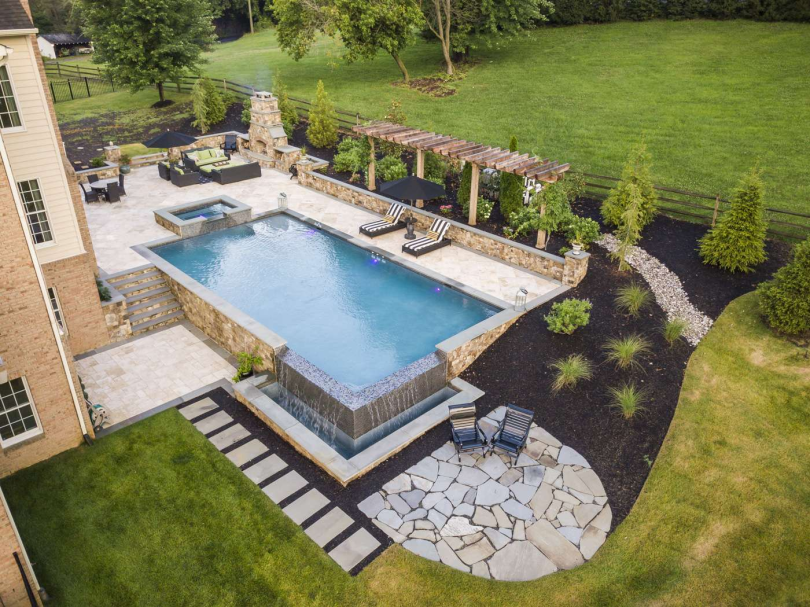
Custom pools provide flexibility in design, shape, size, and features. They can be created to match the style of the property and include elements such as waterfalls, lighting, steps, tanning areas, and integrated seating.
Pool renovation is another area where professionals provide valuable assistance. Existing pools may require updates due to aging materials, outdated equipment, surface damage, or changing design preferences. Renovation can improve both appearance and functionality.
Pool repair services may also be necessary when issues develop. Problems such as leaks, damaged surfaces, malfunctioning pumps, or filtration concerns require professional evaluation and repair.
Some contractors also help with outdoor improvements surrounding the pool area. Features such as patios, decking, landscaping, and outdoor living spaces can create a complete backyard environment.
Important Factors to Consider Before Building a Pool
Before starting a pool project, property owners should consider several important factors. The available space is one of the first things to evaluate. The size and layout of the property influence the possible pool designs and placement options.
Budget planning is another essential consideration. Pool construction involves costs related to materials, labor, equipment, and additional features. Establishing a realistic budget helps guide decisions throughout the project.
The intended use of the pool should also influence the design. A pool designed primarily for relaxation may differ from one intended for exercise, entertainment, or family activities.
Maintenance expectations should also be considered. Different pool designs and materials may require different levels of care. Planning for long-term maintenance helps ensure the pool remains enjoyable over time.
Local requirements and safety considerations are also important. A professional contractor can help ensure that the project follows necessary guidelines and includes appropriate safety features.
The Pool Construction Process
A successful pool project begins with design and planning. During this stage, the contractor discusses preferences, evaluates the property, and creates a design concept that meets the client’s goals.Once the design is finalized, preparation and excavation begin. This stage involves carefully creating the space where the pool structure will be installed.
The next phase involves building the pool structure and installing essential systems. Plumbing, filtration, circulation, and electrical components must be properly placed to ensure reliable operation.
After the structural work is complete, finishing materials are installed. Pool surfaces, coping, decking, lighting, and additional design features contribute to the final appearance.Before the pool is ready for use, professionals complete inspections and testing. These checks ensure that all systems are functioning correctly and that the pool meets quality expectations.
How to Choose the Right Pool Contractor
Selecting the right contractor requires careful research and consideration. Experience is one of the most important factors because pool construction involves specialized skills and technical knowledge.
Reviewing previous projects can provide insight into a contractor’s quality of work and design capabilities. A strong portfolio demonstrates experience with different styles and project requirements.
Communication is another important factor. A reliable contractor should listen to ideas, explain options clearly, and provide updates throughout the project.
Understanding the contract details is also essential. Property owners should review project timelines, materials, costs, and included services before construction begins.A professional approach, attention to detail, and commitment to customer satisfaction are important qualities to look for when choosing a contractor.
Maintaining a Newly Built Pool
Proper maintenance is essential for protecting a pool investment. Regular cleaning, water testing, and equipment checks help keep the pool safe and functional.
Maintaining balanced water chemistry helps prevent issues such as algae growth, cloudy water, and surface damage. Following recommended maintenance practices improves water quality and comfort.
Pool equipment should also be inspected regularly. Pumps, filters, and circulation systems play important roles in keeping the pool operating efficiently.
Seasonal care is another important consideration. Preparing the pool for changing weather conditions helps protect materials and equipment from unnecessary wear.Professional maintenance services may also be useful for property owners who prefer expert assistance with ongoing care.
Final Thoughts on Working With a Pool Contractor
A well-designed pool can become the center of an outdoor living area. Adding features such as comfortable seating, lighting, landscaping, and entertainment areas can create a more enjoyable environment.
Modern pool designs often focus on creating spaces that combine relaxation, functionality, and visual appeal. Thoughtful planning allows the pool area to become an extension of the indoor living space.A professionally designed pool can also improve the overall appearance and value of a property. Quality construction and attractive design features create a lasting impression.
Building a pool contractor is a major project that requires planning, expertise, and careful attention to detail. A professional pool contractor provides the knowledge and skills needed to create a safe, durable, and attractive outdoor feature.
From initial design to final installation, experienced professionals help ensure that every part of the project is completed correctly. Choosing quality materials, focusing on proper construction, and maintaining the finished pool all contribute to long-term enjoyment.
A well-built pool provides more than a place to swim. It creates an opportunity for relaxation, entertainment, and improved outdoor living while adding lasting value to a property.