
Introduction
Education plays a vital role in shaping the future of individuals and communities. Whether someone is preparing for higher studies, searching for career opportunities, or simply aiming to improve personal knowledge, access to quality educational resources is essential. Education Maine has become a valuable concept for students, parents, teachers, and lifelong learners who want to explore educational opportunities, academic guidance, and learning support in a structured manner.
For beginners, understanding educational systems and available learning resources can sometimes feel overwhelming. There are countless programs, schools, courses, scholarships, and career pathways to consider. Having a reliable source of information helps simplify these decisions and enables learners to make informed choices about their educational journey.
Education Maine focuses on providing useful information related to learning, academic development, skill enhancement, and educational planning. It encourages students to discover opportunities that align with their goals and interests while helping them build a strong foundation for future success. From elementary education to advanced studies, the principles behind Education Maine can support learners at every stage.
This comprehensive guide explains what Education Maine is, why it matters, how beginners can benefit from it, and the best practices for achieving educational success. By the end of this article, readers will have a clear understanding of how to make the most of educational opportunities and create a pathway toward personal and professional growth.
What is Education Maine?
Education Maine refers to educational guidance, resources, learning opportunities, and academic support systems designed to help students and learners achieve their educational goals. It encompasses various aspects of learning, including school education, higher education, vocational training, online learning, career development, and lifelong learning initiatives.
The concept emphasizes making education accessible, understandable, and beneficial for everyone. Students can explore educational programs, scholarship opportunities, academic advice, and skill-development resources through Education Maine. It serves as a bridge between learners and the opportunities available to them.
Education Maine is not limited to traditional classroom learning. Modern education includes digital platforms, remote learning, certification programs, and practical training experiences. As technology continues to evolve, educational resources become more accessible, allowing learners from different backgrounds to improve their knowledge and skills effectively.
The primary goal of Education Maine is to support educational growth by providing reliable information, practical guidance, and learning strategies. Whether someone is a student planning their future or an adult seeking new skills, Education Maine offers valuable insights for success.
Why is Education Maine Important?
Education is one of the strongest foundations for personal and professional development. Education Maine helps individuals understand available opportunities and make informed decisions regarding their academic and career paths. Without proper guidance, students may struggle to identify suitable programs, scholarships, or learning resources that match their goals.
A structured educational approach increases confidence and encourages lifelong learning. Education Maine supports learners by simplifying educational information and helping them navigate complex academic systems. This guidance reduces confusion and allows students to focus on achieving their objectives.
In today’s competitive world, education is directly connected to career opportunities and financial stability. Employers increasingly seek individuals with relevant skills and qualifications. Education Maine helps learners identify educational pathways that lead to rewarding careers and professional advancement.
Additionally, education promotes critical thinking, communication skills, problem-solving abilities, and personal growth. By providing access to educational resources and guidance, Education Maine contributes to stronger communities and a more knowledgeable society.
Detailed Step-by-Step Guide
Step 1: Define Your Educational Goals
The first step in any educational journey is identifying clear goals. Students should determine what they want to achieve academically and professionally. Goals may include earning a degree, learning a new skill, obtaining certification, or preparing for a specific career.
Clear objectives provide direction and help learners focus on relevant opportunities. Writing down educational goals can improve motivation and make long-term planning easier.
Step 2: Research Available Educational Opportunities
Once goals are established, learners should research available educational options. This may include schools, colleges, universities, vocational institutes, online learning platforms, and certification programs.
Comparing different programs helps students identify the best fit based on cost, duration, curriculum, and career outcomes. Thorough research reduces the risk of choosing unsuitable educational pathways.
Step 3: Understand Admission Requirements
Each educational program has specific admission requirements. These may include academic qualifications, entrance examinations, language proficiency tests, recommendation letters, or interviews.
Understanding requirements early allows students to prepare effectively and avoid unnecessary delays during the application process.
Step 4: Explore Financial Aid and Scholarships
Educational expenses can be significant, making financial planning essential. Students should explore scholarships, grants, financial aid programs, and educational loans.
Many organizations provide funding opportunities based on academic performance, financial need, leadership qualities, or community involvement. Researching scholarships can significantly reduce educational costs.
Step 5: Create a Learning Schedule
Effective time management is crucial for academic success. Students should develop a realistic study schedule that balances learning, personal responsibilities, and leisure activities.
A structured routine improves productivity and ensures consistent progress toward educational goals. Daily study habits often produce better results than last-minute preparation.
Step 6: Utilize Educational Resources
Modern learners have access to numerous educational resources, including textbooks, online courses, educational websites, video tutorials, digital libraries, and study groups.
Using multiple learning resources enhances understanding and provides different perspectives on complex topics. Educational technology has made quality learning materials more accessible than ever before.
Step 7: Develop Essential Study Skills
Strong study habits contribute significantly to academic achievement. Effective note-taking, active reading, critical thinking, and regular revision help students retain information more efficiently.
Learners should experiment with different study techniques to identify methods that work best for their learning style and academic goals.
Step 8: Seek Guidance from Mentors
Teachers, academic advisors, counselors, and experienced professionals can provide valuable guidance. Mentors help students make informed decisions, overcome challenges, and stay motivated.
Building relationships with knowledgeable individuals can also create networking opportunities that support future educational and career success.
Step 9: Monitor Progress Regularly
Tracking academic progress helps students identify strengths and areas for improvement. Regular assessments, feedback, and self-evaluation support continuous growth and development.
Monitoring progress allows learners to adjust study strategies and remain focused on achieving their objectives.
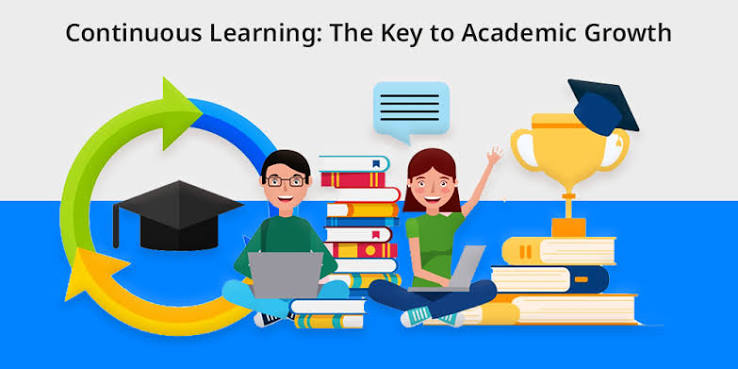
Step 10: Continue Lifelong Learning
Education does not end after graduation. Lifelong learning enables individuals to stay updated with industry trends, technological advancements, and evolving career requirements.
Continuous skill development increases employability and helps individuals adapt to changing professional environments.
Benefits of Education Maine
Education Maine offers numerous advantages for students and lifelong learners, including:
- Provides clear educational guidance
- Helps identify suitable academic programs
- Supports career planning and development
- Encourages informed decision-making
- Improves access to educational resources
- Promotes lifelong learning habits
- Enhances academic performance
- Increases confidence and motivation
- Supports scholarship and financial aid research
- Helps develop valuable life skills
- Encourages personal growth and self-improvement
- Improves employment opportunities
- Strengthens problem-solving abilities
- Supports skill development and certification
- Enhances communication and critical thinking
Disadvantages / Risks
Although Education Maine offers many benefits, there are certain challenges and risks that learners should consider:
- Information overload may cause confusion
- Some educational resources may become outdated
- Poor planning can lead to wasted time and money
- Choosing the wrong program may affect career goals
- Financial challenges may limit educational opportunities
- Online resources may vary in quality
- Lack of motivation can reduce learning effectiveness
- Overdependence on digital learning may affect engagement
- Inadequate research may result in poor educational choices
- Balancing education with personal responsibilities can be difficult
Common Mistakes to Avoid
Many students make avoidable mistakes during their educational journey. One common error is failing to establish clear goals before selecting educational programs. Without a defined direction, learners may choose courses that do not align with their interests or career aspirations.
Another mistake is neglecting research. Students often rush into decisions without comparing institutions, curricula, costs, and career outcomes. Comprehensive research helps ensure better educational choices and reduces future regrets.
Poor time management is also a major challenge. Procrastination, inconsistent study habits, and lack of organization can negatively affect academic performance. Developing a structured schedule helps maintain productivity and focus.
Many learners underestimate the value of mentorship and professional guidance. Seeking advice from experienced educators and professionals can provide valuable insights and prevent costly mistakes.
Ignoring financial planning can also create difficulties. Students should carefully evaluate educational expenses and explore funding opportunities before making commitments. Proper financial preparation reduces stress and improves long-term success.
FAQs
1. What is the main purpose of Education Maine?
The primary purpose of Education Maine is to provide educational guidance, resources, and support that help learners achieve academic and career goals. It simplifies educational planning and promotes informed decision-making.
2. Who can benefit from Education Maine?
Students, parents, teachers, professionals, and lifelong learners can all benefit from Education Maine. Anyone seeking educational opportunities or academic guidance can use its resources effectively.
3. How does Education Maine support career development?
Education Maine helps learners identify educational pathways, develop relevant skills, and explore career opportunities. It provides information that supports long-term professional growth.
4. Can Education Maine help with scholarships?
Yes. Education Maine often includes information about scholarships, grants, financial aid programs, and funding opportunities that can help reduce educational expenses.
5. Is online learning part of Education Maine?
Yes. Modern educational systems include online courses, digital learning platforms, virtual classrooms, and certification programs that support flexible learning experiences.
6. Why is lifelong learning important?
Lifelong learning helps individuals remain competitive in changing industries, develop new skills, adapt to technological advancements, and achieve personal growth throughout life.
7. How can beginners start their educational journey?
Beginners should begin by identifying goals, researching educational opportunities, understanding admission requirements, creating study plans, and seeking guidance from mentors.
8. What skills are important for academic success?
Critical thinking, communication, time management, organization, problem-solving, and effective study habits are among the most important skills for academic achievement.
Expert Tips & Bonus Points
Successful learners understand that education is a long-term investment. Setting realistic goals and maintaining consistent effort often produce better results than seeking quick success. Developing discipline and perseverance helps overcome challenges and supports continuous improvement.
Creating a personal learning plan can significantly improve educational outcomes. Learners should regularly review goals, track progress, and adjust strategies when necessary. Flexibility is important because educational and career opportunities evolve over time.
Reading beyond course materials is another valuable habit. Books, articles, research publications, and industry resources provide deeper knowledge and broaden perspectives. Continuous reading supports intellectual growth and critical thinking development.
Networking with educators, professionals, and fellow learners can create valuable opportunities. Building meaningful connections often leads to mentorship, internships, career advice, and collaborative learning experiences.
Learners should also prioritize practical application of knowledge. Real-world experience reinforces learning and improves understanding. Projects, internships, volunteer work, and hands-on activities help bridge the gap between theory and practice.
Finally, maintaining a positive mindset is essential. Educational success requires patience, dedication, and resilience. Viewing challenges as learning opportunities helps learners stay motivated and achieve long-term goals.
Conclusion
Education Maine represents a valuable approach to educational guidance, learning support, and academic success. In an increasingly competitive and knowledge-driven world, having access to reliable educational information is more important than ever. Whether someone is beginning their educational journey, pursuing higher studies, or seeking new professional skills, Education Maine provides the resources and direction needed to make informed decisions.
The journey toward educational achievement starts with clear goals, careful planning, and consistent effort. By researching opportunities, utilizing available resources, developing effective study habits, and seeking guidance from experienced mentors, learners can create strong foundations for future success. Education Maine helps simplify this process by offering structured information and practical support.
While challenges such as financial constraints, information overload, and time management difficulties may arise, proper preparation and commitment can help overcome these obstacles. Learners who remain focused, adaptable, and motivated are more likely to achieve their academic and career objectives.
Ultimately, education is a lifelong journey rather than a destination. Continuous learning, personal development, and skill enhancement contribute to long-term success and fulfillment. By embracing the principles of Education Maine, individuals can unlock new opportunities, expand their knowledge, and build brighter futures for themselves and their communities.