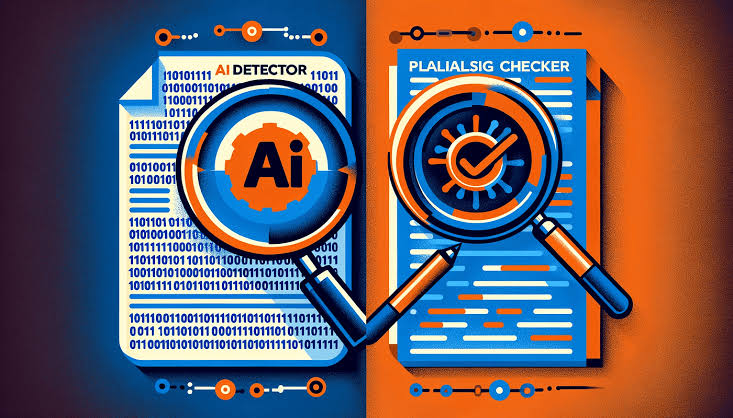

As content creation evolves, ensuring the quality and authenticity of written work has become essential. With the rise of AI-generated text, differentiating between machine-produced content and genuine human expression is crucial for writers, educators, and content teams. This article explores the distinct functionalities of AI Detectors and Plagiarism Checkers, helping you understand which tool best serves your needs for maintaining content integrity.
AI Detector vs Plagiarism Checker: Key Differences in Functionality
AI Detectors and Plagiarism Checkers serve different purposes, although they both strive to uphold content quality. An AI Detector is designed to identify text created by artificial intelligence. It uses algorithms to analyze patterns typical of AI-generated content, such as repetitive phrasing or unnatural language flow. This tool is invaluable for educators aiming to verify the originality of students’ submissions and for publishers ensuring their content maintains a human touch.
Conversely, Plagiarism Checkers focus on detecting content copied from existing sources. They scan the web and databases for text matches, highlighting any similarities found. This is particularly useful in academic and professional settings where originality is paramount. While both tools aim to safeguard content quality, their approaches and technologies differ significantly.
How AI Detectors Assess Content Authenticity
AI Detectors are equipped with sophisticated algorithms capable of identifying AI-generated content. These tools analyze various aspects of the text, such as sentence structure, vocabulary usage, and stylistic elements that may indicate AI involvement. For instance, the AI Detector examines the consistency of language and the presence of unusual syntax patterns often associated with AI-written content.
Recent advancements in AI technology have heightened the need for robust detection methods. As content teams embrace AI for efficiency, understanding how these detectors work becomes crucial. They provide insights into the nature of the text, offering a layer of verification that complements traditional editing processes. By doing so, AI Detectors help maintain content authenticity in an era where AI writing tools are prevalent.
Plagiarism Checkers: Ensuring Originality and Credibility
Plagiarism Checkers remain a staple in content verification, particularly in academic and research-oriented environments. They operate by comparing text against a vast array of online sources, identifying instances where the content overlaps with existing material. This process not only ensures originality but also upholds the credibility of the author.
These tools are essential for maintaining academic integrity and preventing intellectual property infringement. In professional content creation, they help avoid reputational damage by ensuring all material is properly sourced and credited. While they don’t directly address AI-generated content, Plagiarism Checkers provide a foundational layer of content verification that supports overall quality assurance.
Choosing the Right Tool for Quality Content Creation
Deciding between an AI Detector and a Plagiarism Checker largely depends on the specific needs of your content strategy. If your primary concern is distinguishing between human and AI-generated text, particularly in educational or editorial contexts, an AI Detector is your best choice. These tools are becoming increasingly relevant as AI-generated content is integrated into various writing workflows.
On the other hand, if your focus is on ensuring that all content is original and non-infringing, a Plagiarism Checker is indispensable. It is particularly useful in sectors where intellectual property rights are critical, such as academia and publishing. Ultimately, many content creators find value in using both tools in tandem, leveraging their combined strengths to uphold the highest standards of content quality and integrity.
Conclusion
AI Detectors and Plagiarism clickagrow Checkers each play a vital role in ensuring content quality, authenticity, and originality. By understanding their unique functionalities, writers, educators, and content teams can make informed choices about which tool to employ. In a landscape where the distinction between human and machine-generated content grows ever finer, these tools are indispensable allies in maintaining the standards of quality content creation.