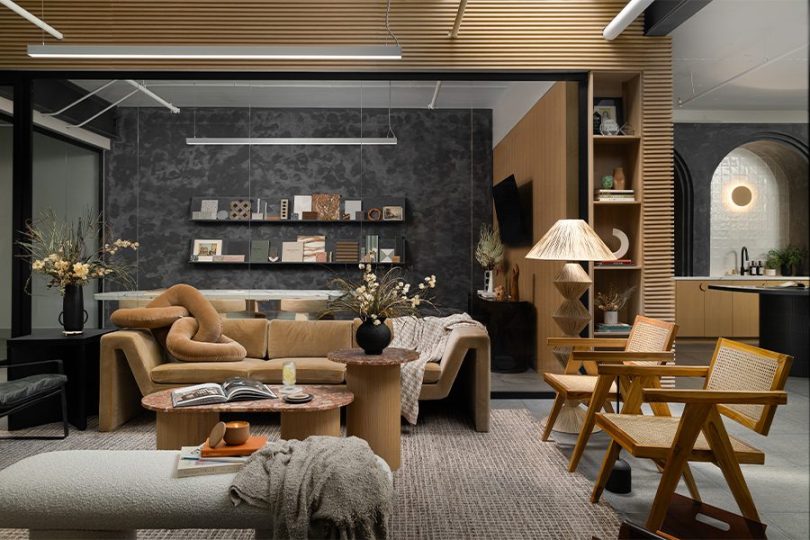

The hospitality industry thrives on creating unforgettable experiences. Whether guests are checking into a luxury hotel, enjoying dinner at a fine dining restaurant, or relaxing in a boutique café, the environment plays a significant role in shaping their overall impression. This is where a hospitality interior designer becomes an essential part of every successful project. By combining creativity, functionality, and brand identity, these professionals design spaces that not only impress visitors but also help businesses grow.
A thoughtfully designed hospitality space encourages guests to stay longer, return more often, and recommend the venue to others. In today’s competitive market, investing in exceptional Design For Hospitality Interiors is no longer optional—it’s a strategic business decision that directly impacts customer satisfaction and profitability.
The Role of a Hospitality Interior Designer
A hospitality interior designer specializes in designing commercial environments that welcome and serve guests. Unlike residential interior design, hospitality projects focus on balancing aesthetics with operational efficiency while creating memorable customer experiences.
From hotels and resorts to restaurants, cafés, bars, and entertainment venues, hospitality designers carefully plan every aspect of the interior. They consider customer flow, lighting, furniture selection, color palettes, acoustics, materials, and overall ambiance to ensure the space is both beautiful and functional.
Their ultimate goal is to create an environment that reflects the brand’s identity while making every guest feel comfortable and valued.
Why Design Matters in Hospitality
Guests often form their first impression within seconds of entering a property. The décor, lighting, layout, and atmosphere immediately communicate the quality of the business. An outdated or poorly planned interior can discourage customers, while a professionally designed space creates trust and excitement.
Quality Design For Hospitality Interiors offers numerous benefits, including:
- Stronger brand recognition
- Enhanced guest comfort
- Better operational efficiency
- Increased customer loyalty
- Higher occupancy or table turnover
- Improved online reviews
- Greater revenue opportunities
Interior design is one of the few business investments that directly influences both customer perception and staff productivity.
Creating Spaces That Inspire Guests
Every hospitality business aims to create memorable experiences, and interior design is a powerful tool for achieving this goal. A skilled Interior Hospitality Designer understands how colors, textures, lighting, and layouts influence emotions and customer behavior.
For example, warm lighting and comfortable seating create a relaxing atmosphere in hotel lounges, while vibrant colors and modern furnishings may energize guests in casual restaurants. Luxury hotels often incorporate elegant materials, custom furniture, and artistic details that make visitors feel special from the moment they arrive.
When guests enjoy the environment, they are more likely to spend additional time on the property, leave positive reviews, and become loyal customers.
Reflecting Brand Identity Through Design
Every hospitality business has its own personality, and interior design helps communicate that identity. Whether the brand represents luxury, sustainability, modern elegance, or local culture, the interior should consistently reinforce those values.
An experienced Interior Designer For Hospitality carefully selects materials, furniture, lighting, artwork, and decorative elements that align with the company’s branding. Boutique hotels may feature locally inspired artwork and handcrafted furnishings, while modern cafés often embrace minimalist aesthetics with natural wood, greenery, and open layouts.
A cohesive interior strengthens brand recognition and creates a memorable experience that guests associate with the business.
Functional Design Improves Business Operations
A beautiful space is only successful if it functions efficiently. Hospitality interiors must support both guest comfort and staff productivity.
An experienced Hospitality Space Designer carefully plans layouts that improve movement, reduce congestion, and streamline daily operations.
For hotels, this includes:
- Spacious reception areas
- Comfortable guest rooms
- Efficient housekeeping access
- Inviting lounges
- Functional conference facilities
For restaurants and cafés, it involves:
- Comfortable seating arrangements
- Smooth customer flow
- Easy kitchen access
- Organized service stations
- Well-designed waiting areas
When operations run smoothly, staff can provide better service, leading to happier guests and improved business performance.
Modern Trends in Hospitality Interior Design
Hospitality design continues to evolve as customer expectations change. Today’s guests appreciate interiors that combine style, comfort, technology, and sustainability.
Some of the most popular trends include:
Sustainable Design
Eco-friendly materials, energy-efficient lighting, recycled furniture, and environmentally responsible finishes help businesses reduce their environmental impact while appealing to eco-conscious travelers.
Smart Technology
Hotels and commercial venues increasingly integrate smart lighting, contactless check-in systems, digital room controls, and wireless charging stations to improve guest convenience.
Biophilic Design
Natural elements such as indoor plants, wood finishes, stone textures, and abundant natural light create relaxing environments that promote wellness and comfort.
Flexible Spaces
Modern hospitality venues often include adaptable areas that can easily transition between dining, meetings, social gatherings, and remote work.
These features not only improve guest experiences but also keep hospitality businesses competitive in a rapidly changing market.
The Business Benefits of Professional Hospitality Design
Working with a professional hospitality interior designer is an investment that delivers long-term value. Well-designed hospitality spaces attract more customers, encourage repeat visits, and often justify premium pricing.
Some key business benefits include:
- Increased customer satisfaction
- Higher occupancy rates for hotels
- Improved restaurant turnover
- Stronger social media engagement
- Better online reviews
- Enhanced employee productivity
- Greater return on investment
Modern interiors also encourage guests to take photos and share their experiences online, providing valuable organic marketing that attracts new visitors.
Choosing the Right Hospitality Interior Designer
Selecting the right designer is critical to the success of any hospitality project. Experience in commercial hospitality design, a strong portfolio, and an understanding of operational requirements are all essential qualities.
A professional designer should provide:
- Customized design concepts
- Space planning and layout optimization
- Furniture and material selection
- Lighting design
- Brand-focused interiors
- Project coordination
- Compliance with safety and accessibility standards
By working closely with business owners, designers create spaces that balance creativity with practicality while supporting long-term business goals.
Conclusion
A talented hospitality interior designer does far more than create attractive interiors. They transform commercial spaces into memorable destinations that inspire guests, strengthen brand identity, and improve business performance. Through thoughtful Design For Hospitality Interiors, businesses can create environments that combine comfort, functionality, and visual appeal to leave lasting impressions on every visitor.
Whether you’re planning a new hotel, renovating a restaurant, or upgrading a boutique café, partnering with an experienced Interior Hospitality Designer, Interior Designer For Hospitality, or Hospitality Space Designer can make all the difference. With the right design strategy, your hospitality business can create exceptional guest experiences, stand out from competitors, and drive sustainable growth for years to come.